A chipped tooth or broken tooth can happen suddenly, whether from biting hard foods or experiencing accidental dental injury during physical activities. Many people feel worried or confused when faced with jagged edges, pain, or a missing tooth. Quick, informed action makes a major difference in preventing further damage and complications to your natural tooth.
Determining whether a chipped tooth is a dental emergency depends on symptoms such as severe pain, uncontrolled bleeding, or exposed nerves. Some cases need immediate dental attention, while others may only require timely treatment by a dentist. Knowing what steps to take after a chipped or broken tooth protects your oral health. Let’s explore how to respond and recover from this dental issue.
What Is a Chipped Tooth?
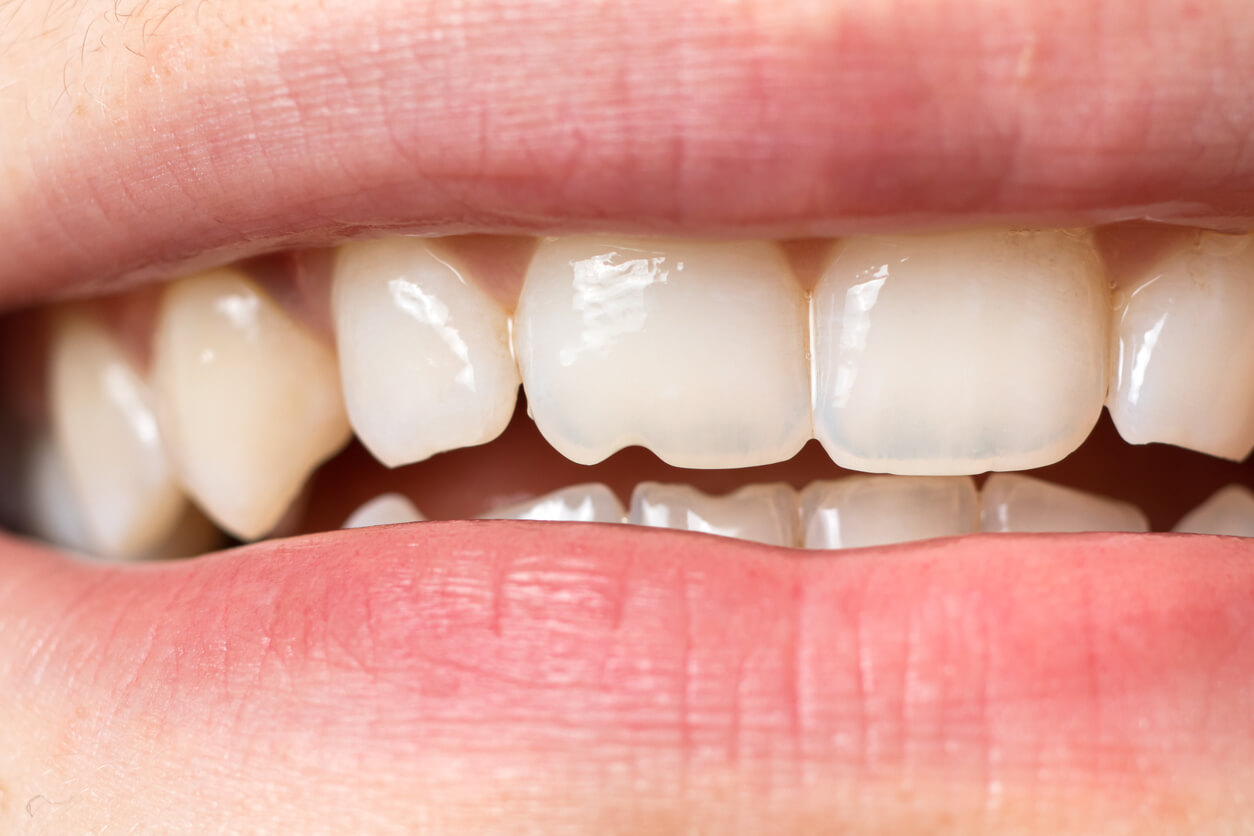
A chipped tooth is a small piece of the tooth’s enamel that has broken off due to trauma, wear, or weakness. Chips can vary in size, from tiny, barely noticeable flaws to larger fractures that affect the tooth’s shape, appearance, or function. While some chips may seem minor, even small ones can lead to sensitivity, pain, or further damage if left untreated.
Common Causes of Chipped Teeth
Several factors can make teeth more susceptible to chipping or breaking. Some of the most frequent causes include:
- Biting Hard Foods or Objects: Crunching on ice, chewing hard candy, or popcorn kernels can cause sudden dental injury and significant enamel damage.
- Using Teeth as Tools: Opening bottles, packages, or twisting hard objects with your teeth can weaken tooth structure and trigger cracks or breaks.
- Sports Injuries & No Mouth Guard: Playing physical sports without a mouth guard increases your risk of a broken or chipped tooth from facial trauma.
- Teeth Grinding (Bruxism): Frequent grinding or jaw clenching, often at night, wears down teeth and can lead to small chips or cracks over time.
- Tooth Decay & Old Fillings: Teeth weakened by decay, failing fillings, or gum disease are much more likely to chip, break, or lose structure.
Is a Chipped Tooth a Dental Emergency?
Not every chipped tooth needs immediate dental attention, but knowing which signs are emergencies helps you act confidently. Some symptoms require urgent care to save the tooth and avoid lasting harm. Reviewing these will help you take the right steps and avoid dental complications.
Here are the most important indicators that a chipped tooth is an emergency:
Severe or Dental Pain
Intense pain when biting, chewing, or reacting to cold foods is a warning sign. This discomfort may indicate exposed nerves, a dental fracture reaching deep into the tooth structure, or even infection. Ignoring severe pain can lead to worsening damage or possible tooth loss, so immediate dental evaluation and emergency dental care are essential.
Uncontrolled Bleeding
Persistent bleeding that won’t stop after applying clean gauze and gentle pressure is a serious concern. This usually points to an injury involving blood vessels at the gum line or deeper tissue trauma. If bleeding continues for longer than 10–15 minutes, it’s important to seek professional dental attention without delay.
Exposed Pulp or Nerve
When you see a pink or red center in your chipped or broken tooth, the inner pulp or nerve is exposed. This puts the tooth at very high risk for infection and rapid decay. Prompt treatment, such as a root canal or a protective dental restoration, can safeguard the natural tooth from further damage.
Loose, Displaced, or Knocked Out Tooth
If your tooth feels loose, has moved from its original position, or is completely knocked out, this is an urgent dental emergency. Quick response, such as gently repositioning a displaced tooth or preserving a knocked-out tooth in milk, can sometimes save the tooth. Always seek immediate care to give your dentist the best chance of repairing or reattaching the tooth.
Visible Infection or Swelling
Signs such as facial swelling, pus, redness, or a persistent bad taste often point to an abscess or an underlying dental infection. Infections can progress rapidly and may spread if untreated. Emergency dental intervention is required to relieve pain, treat the infection, and protect your overall health.
Identifying Non-Emergency Chipped Tooth Situations
Sometimes, mild chips present few symptoms and may not feel urgent, but these cases shouldn’t be neglected either. Prompt assessment prevents minor issues from becoming bigger problems. Knowing the difference means you can monitor safely until your regular appointment.
Here’s what to look for in non-emergency scenarios:
- Slightly Chipped Tooth: If only a small amount of enamel is chipped and you feel no pain, wait until your a regular dental appointment.
- No Bleeding or Exposed Nerve: Cosmetic or surface chips without exposure or pain can often be assessed within a normal dental care visit.
- Rough Edges or Uncomfortable Spots: If the tooth just feels rough, covering it with dental wax or sugar-free gum can temporarily protect your mouth.
Immediate Steps After a Broken or Chipped Tooth
After a chipped, cracked, or broken tooth, taking swift action at home can stop pain and prevent more serious dental complications. Handling the situation calmly prepares you for treatment and often improves the final result. Even temporary measures can make a big difference until you see an emergency dentist. Here’s what to do as soon as you discover the injury.
- Rinse with Warm Water: Cleaning your mouth helps dislodge debris, reduce bacteria, and give you a better view of the tooth and surrounding tissues.
- Apply Clean Gauze and Gentle Pressure: If bleeding, use clean gauze to apply gentle pressure until bleeding stops, checking every few minutes for progress.
- Place a Cold Compress: A cold compress on the cheek next to the injury will help minimize swelling and manage discomfort from the dental injury.
- Preserve Tooth Fragments or Knocked Out Tooth: Place any fragments or a knocked-out tooth in milk or saline and bring them to your dental appointment.
- Protect with Dental Wax or Sugar-Free Gum: Cover any sharp or jagged edges to prevent injury to your tongue or mouth until you can get treatment.
- Eat Only Soft Foods: Avoid hard foods and stick to soft foods that won’t aggravate the injury or pressure the chipped area.
- Contact an Emergency Dentist Quickly: Describe your symptoms and follow instructions to arrange immediate treatment for serious dental emergencies.
How Dentists Treat Chipped Teeth: Treatment Options
Today’s dentists have a variety of effective treatment options for chipped and broken teeth, tailored to restore both comfort and appearance. Choosing the right option depends on the tooth’s location, the severity of the break, and your unique needs. Accurate diagnosis and prompt repair protect the tooth from infection, pain, or further damage. Here’s a breakdown of common repair treatments and what they involve.
Dental Bonding with Tooth-Colored Resin
This method uses a custom-matched resin to rebuild and reshape the tooth, blending seamlessly for small to moderate chips.
Dental Crowns for Larger Breaks
When a significant portion is missing or the tooth structure is weak, a crown provides strength and protection for long-term results.
Porcelain Veneers for a Chipped Front Tooth
Thin porcelain shells cover the front teeth to restore their appearance and strength after chips, cracks, or minor breaks.
Root Canal Treatment for Exposed or Infected Teeth
When a chip exposes the nerve or causes infection, a root canal removes damaged tissue and preserves your natural tooth.
Dental Implant or Tooth Extraction
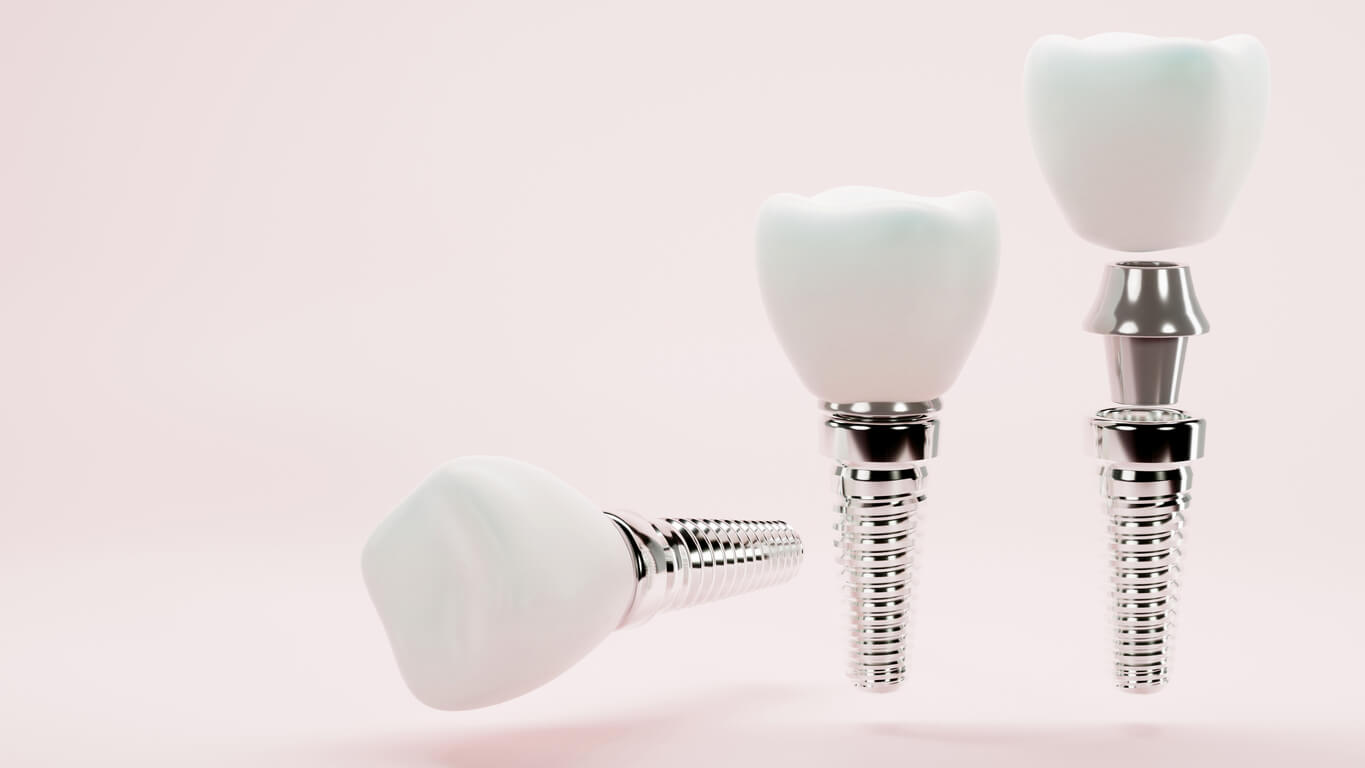
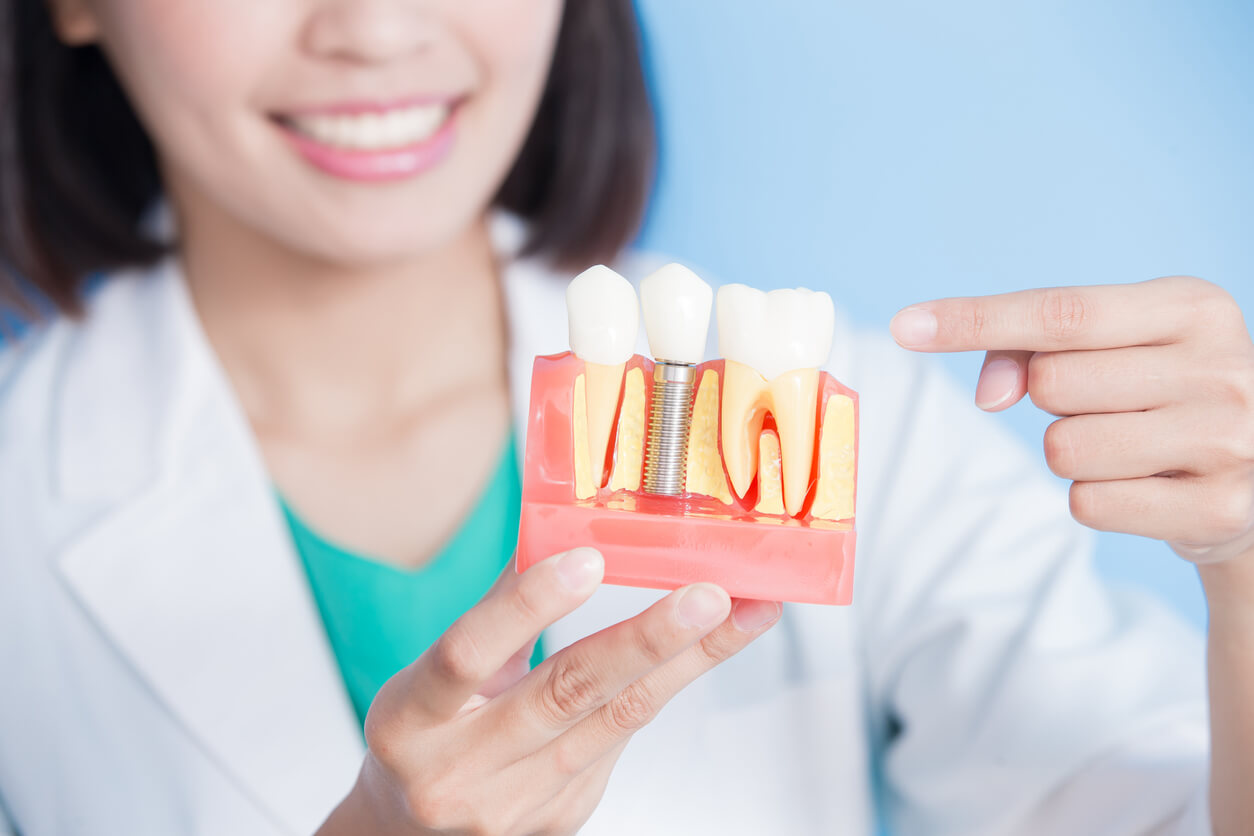
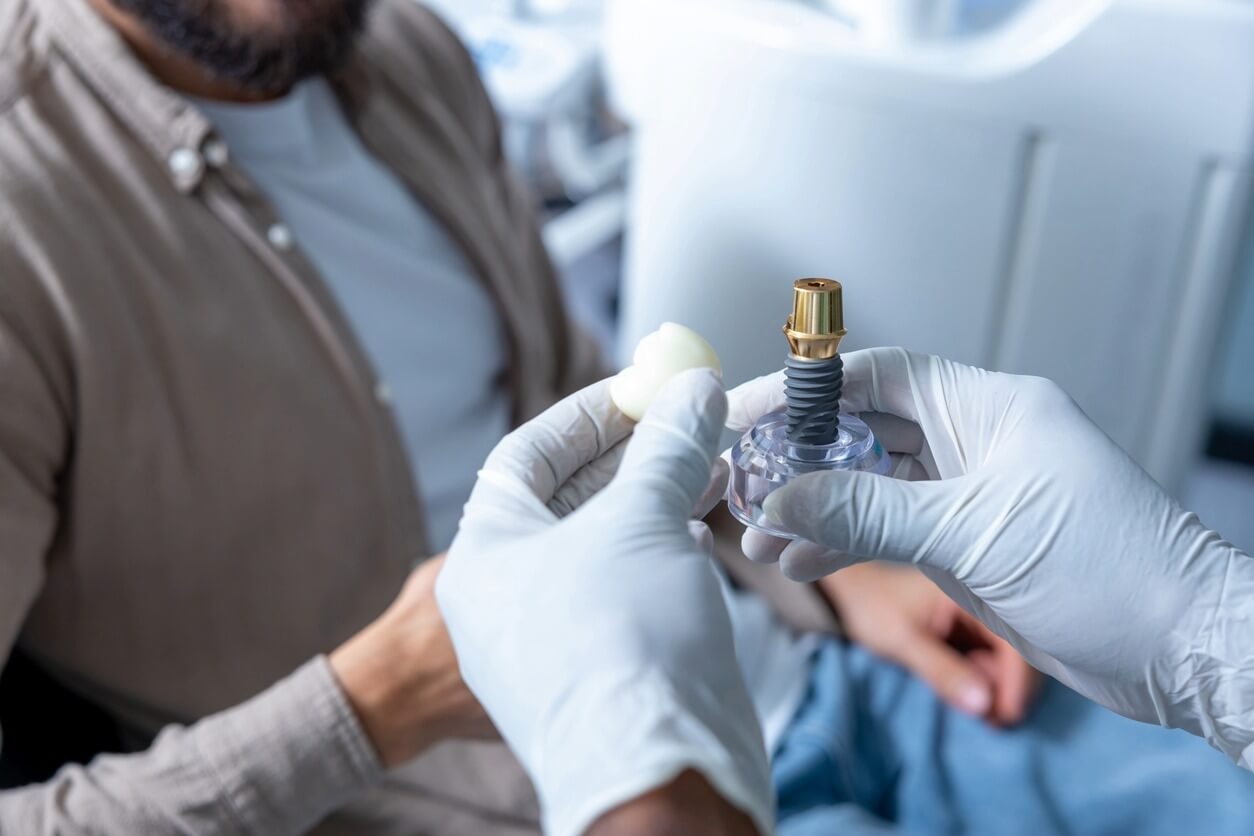
In extreme cases where saving the tooth isn’t possible, extraction followed by a dental implant can restore function and appearance.
Polishing or Smoothing for Small Chips
Dentists may smooth rough or sharp edges to eliminate discomfort and prevent further dental complications.
Why Immediate Treatment Is Essential
Immediate dental care after a chipped or broken tooth can save you time, money, and ongoing discomfort. Ignoring symptoms risks more extensive procedures and long-term consequences. Early action gives your dentist the best chance to provide proper treatment and prevent tooth loss.
Below are the dangers you avoid by acting quickly:
- Enlargement into Cracked Teeth: Even minor chips can spread, resulting in cracked teeth that are much more difficult and expensive to repair.
- Infection and Abscess Formation: Bacteria can enter through cracks, leading to infection and possible abscesses that may require antibiotics or root canal treatment.
- Damage to Soft Tissues: Sharp or jagged edges may cut the gums, tongue, or cheeks, leading to pain or secondary injuries.
- Problems with Chewing and Alignment: Uneven surfaces can affect your bite and place stress on other teeth, leading to further damage and possible dental complications.
Prevention and Oral Health Tips
Many chipped or broken teeth are preventable with good habits and smart choices. Reducing risk factors protects your teeth and lowers your chances of dental emergencies. Proactive dental care builds a strong foundation for lifelong oral health. Here are practical prevention tips to help you avoid injuries.
- Wear a Mouth Guard during Sports: Protective mouth guards shield teeth from high-impact activities and physical trauma, dramatically reducing the risk of dental injury.
- Avoid Hard Foods and Using Teeth as Tools: Stay cautious with hard objects like ice and never use your teeth to open bottles or crack nutshells.
- Address Teeth Grinding Early: If you notice signs of bruxism, ask your dentist about nightguards to prevent minor chips and larger breaks.
- Maintain Good Oral Hygiene Routines: Brushing and flossing every day help prevent tooth decay, which makes your teeth susceptible to chipping and breaking.
- Schedule Regular Dental Appointments: Professional exams and cleanings catch small problems before they turn into painful dental emergencies or tooth loss.
Don’t Let a Chipped Tooth Disrupt Your Life—Experience Fast Relief and Smile Restoration
Trust the experienced team at Shallowford Dental Studio to restore your comfort and confidence after a chipped tooth or dental injury. Our Roswell dental experts combine advanced technology and compassionate care to deliver the prompt, personalized attention your smile deserves.
If you’re facing a chipped tooth or sudden dental pain, don’t wait to seek professional help. Contact us today to schedule your appointment and begin your journey to a healthier, more resilient smile.