If you are weighing ceramic dental implants vs titanium, you are already asking a smart question: not all implant materials are the same, and the “best” choice depends on your mouth, your bite, your health history, and your cosmetic priorities.
Both options are designed to replace missing teeth by acting as artificial tooth roots that support a crown, bridge, or other restoration. But ceramic vs titanium is not just a cosmetic debate. The implant material can affect durability, treatment planning, gum response, and whether the final result is ideal for front tooth replacements, complex restorations, or patients seeking a metal free alternative.
At a modern dental practice, the goal is not to force every patient into one category. It is to match the right implant to the right person. For patients in Roswell and nearby communities in Cobb and Fulton Counties, that often means having a detailed conversation about appearance, function, bone support, and long-term maintenance before treatment begins.
Why Implant Material Matters in the First Place
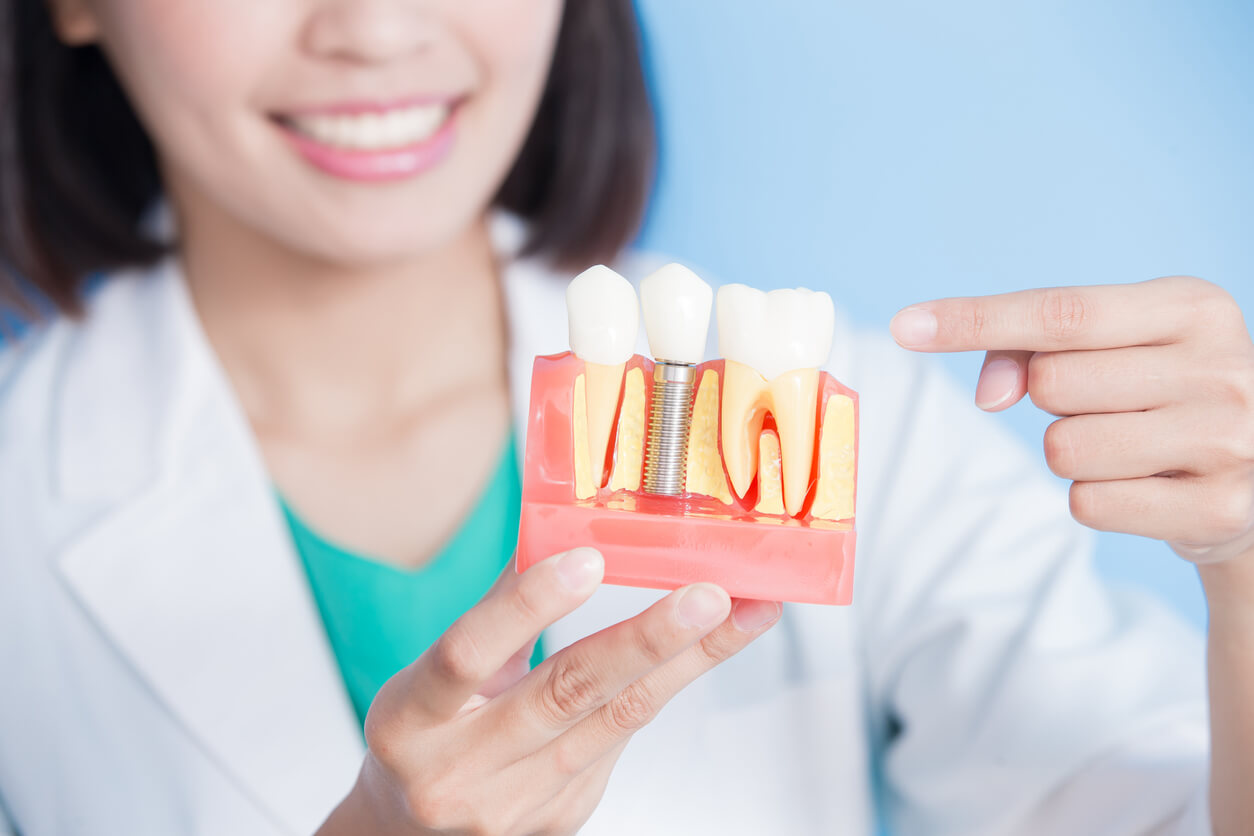
Dental implants sit below the surface, but they influence what happens above the gum line and below the bone. Think of an implant like the foundation of a house. Even if the visible part is beautiful, the structure underneath has to handle pressure, time, and weather. In the mouth, that “weather” includes saliva, bacteria, chewing pressure, temperature changes, and daily wear.
The two main materials discussed today are titanium dental implants and zirconia dental implants. Titanium has been used for decades and is still widely considered the gold standard because of its long track record. Ceramic implants, usually made from zirconium oxide, have gained attention for their natural appearance and metal free design.
When comparing titanium and ceramic implants, dentists look at more than one factor. Strength, tissue response, gum health, plaque buildup, bite force, and restoration design all matter. A patient replacing one front tooth may have different needs than someone restoring multiple teeth in the back of the mouth.
Ceramic Dental Implants vs Titanium: The Basic Difference
The biggest difference in ceramic dental implants vs titanium is the material itself. Titanium implants are made from a metal that is highly biocompatible, corrosion resistant, and proven in implant dentistry over many years. Ceramic implants are usually made from zirconia, a white, tooth-colored material often chosen by patients who prefer a metal free option.
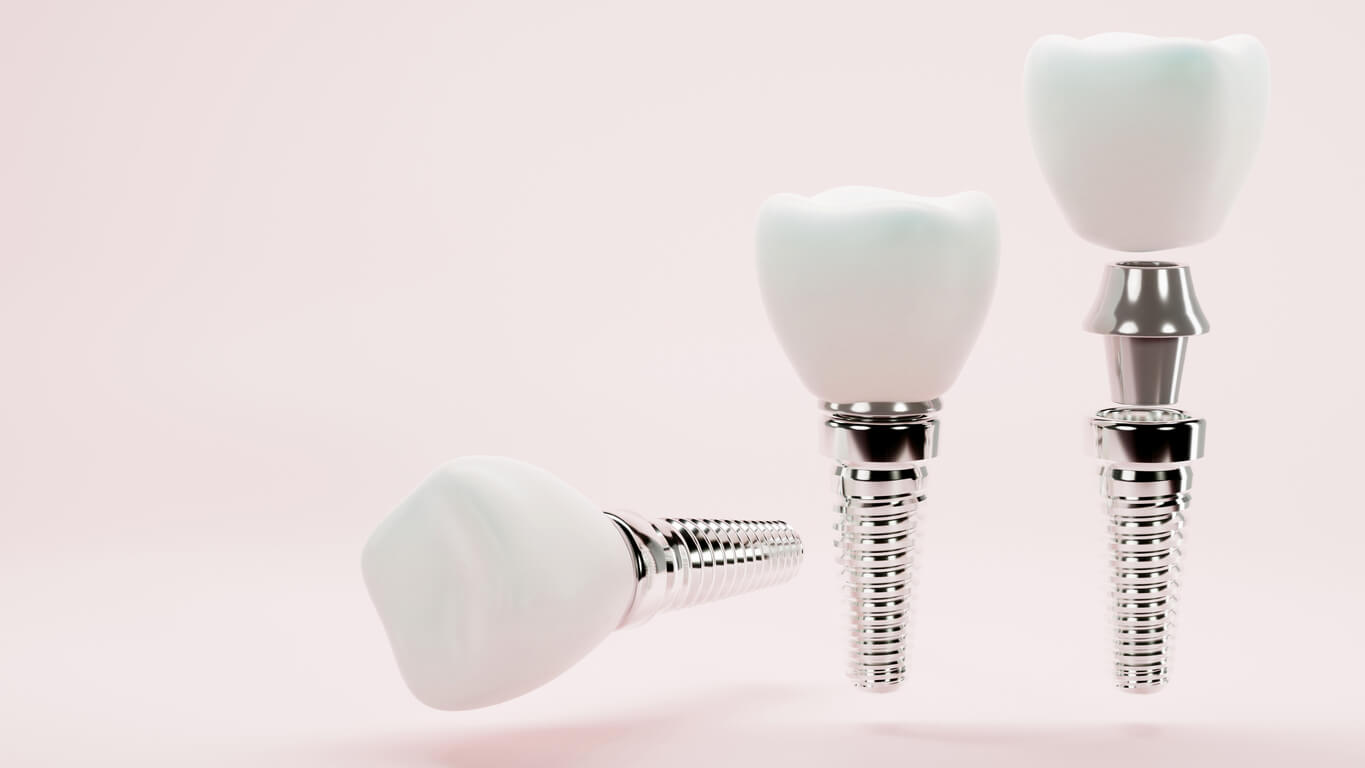
That difference affects appearance, engineering, and treatment flexibility. Titanium implant systems often come in two-piece designs, which means the implant body and abutment can be separate. Many ceramic implants are one piece implants, though two-piece zirconia implants are also available in some systems. This matters because restoration planning can be simpler or more limited depending on the design.
So when people ask about ceramic or titanium implants, they are really asking several questions at once: Which looks better? Which lasts longer? Which is safer? Which feels more natural? Which is better for thin gums or front teeth? The answer is rarely one-size-fits-all.
Pros of Titanium Implants
Titanium implants remain the most commonly used dental implants for a reason. They have an extensive history in dental implantology and strong clinical research behind them. For many dental professionals, comparing titanium to newer alternatives starts with one clear reality: titanium has the most long-term data.
Another key advantage is strength. Titanium is highly resistant to fracture and performs well under high bite forces and heavy chewing forces. That makes titanium implants especially useful in molar areas, where the implant has to absorb serious pressure every day. If you clench, grind, or place strong external forces on your teeth, titanium may offer a practical edge.
Titanium implant systems also tend to give dentists more restorative flexibility. In complex restorations, or when replacing multiple teeth, two-piece titanium systems can be easier to customize. Angulation corrections, abutment selection, and restoration adjustments may be more straightforward with titanium.
Titanium is also known for being highly biocompatible. In healthy conditions, the surrounding bone can fuse to the implant surface through osseointegration, creating a stable base for replacement teeth. This is one reason titanium dental implants are still so often recommended for predictable long-term outcomes.
Cons of Titanium Implants
Even with their strengths, titanium implants are not perfect. One concern for some patients is aesthetics. While the metal is hidden under the gums, the gray tone can sometimes show through in patients with thin gums or gum recession, especially around front teeth. In highly visible areas, that can become an aesthetic concern.
There is also the issue of patient preference. Some people simply do not want metal implants in their bodies. Others are specifically looking for a metal free alternative because they value a holistic approach, have concerns about metal sensitivities, or want a ceramic dental solution that aligns with their personal philosophy.
True titanium allergy is considered uncommon, but it is part of the conversation. Patients with a history of metal allergies, metal sensitivities, or unexplained allergic reactions may ask whether ceramic implants offer peace of mind. While not every sensitivity means titanium is off the table, this is one area where careful evaluation matters.
Finally, titanium can be a less ideal visual choice for front tooth replacements when the gum line is naturally delicate. In those cases, the color of the implant material may matter more than it would in the back of the mouth.
Pros of Ceramic Implants
Ceramic implants have carved out a real place in modern implant dentistry, especially for patients seeking a metal free option. Most ceramic implants are made from zirconia, which is why you will often hear the terms zirconia implants and ceramic implants used almost interchangeably.
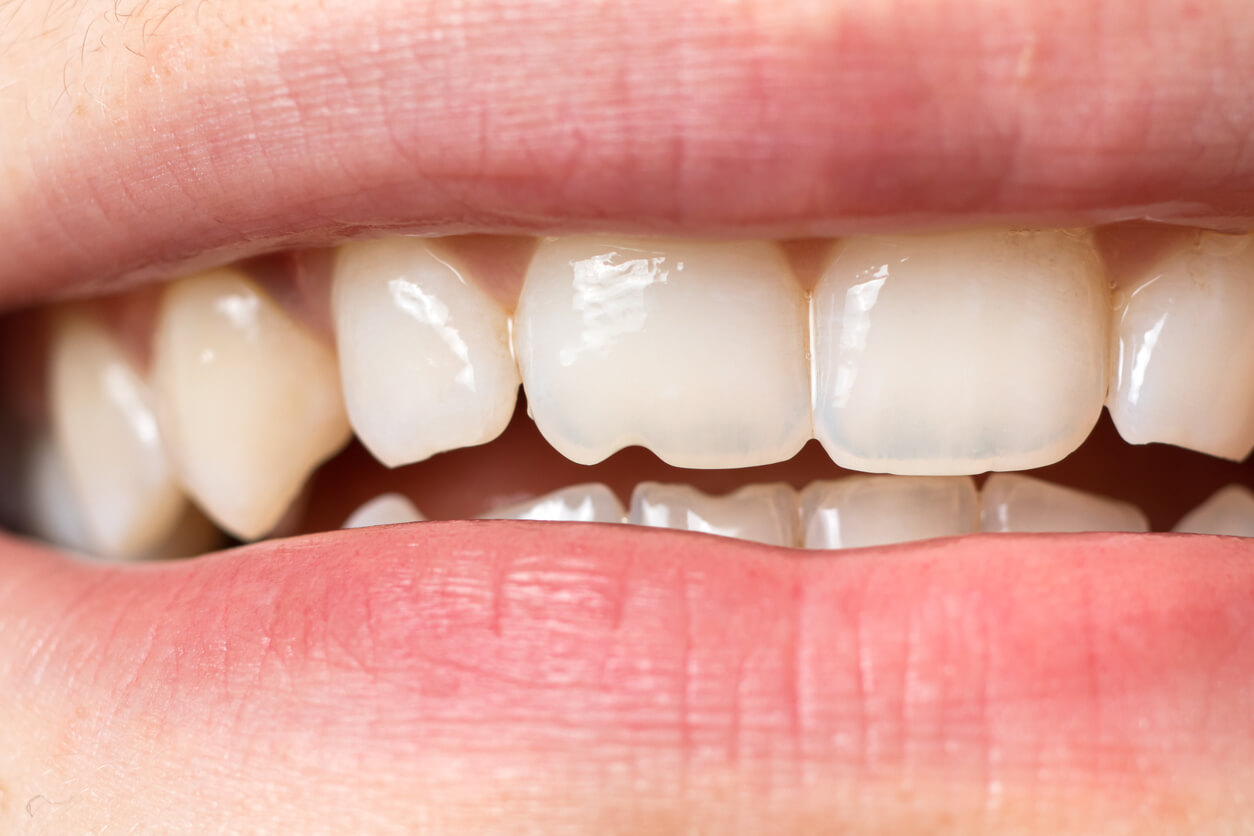
The most obvious advantage is appearance. Because zirconia dental implants are white rather than gray, ceramic implants blend more naturally beneath the gums. For patients with thin gums, a high smile line, or strong aesthetic priorities, this can be a major benefit. In front tooth replacements, that subtle difference can matter more than people expect.
Ceramic implants also appeal to patients who want metal free treatment. If you have concerns about metal allergies, titanium allergy, or metal sensitivities, a metal free alternative may feel more comfortable philosophically and medically. This is one reason ceramic dental implants are often discussed in holistic dentistry circles.
Another point often raised is plaque behavior. Some research and clinical observations suggest zirconia surfaces may be less prone to retaining plaque and bacterial buildup than certain other materials, which can support gum health. That does not mean ceramic implants are maintenance-free, but it may be relevant for patients focused on oral health and soft tissue response.
Ceramic implants offer strong aesthetic appeal as well as biocompatibility. Zirconium oxide is highly biocompatible, and many patients appreciate that ceramic dental materials have a clean, natural look that feels closer to natural teeth.
Cons of Ceramic Implants
Ceramic implants also come with tradeoffs. The biggest one is history. While zirconia implants are promising and increasingly popular, titanium still has more long-term clinical research and a larger evidence base. When comparing titanium and ceramic implants, that longer track record matters.
Fracture risk is another issue to discuss honestly. Ceramic is strong, but it behaves differently than titanium under stress. In some cases, implant fractures may be a greater concern with ceramic than with titanium, especially when treatment planning is not ideal or when the implant must withstand high bite forces. For back teeth or patients with heavy chewing forces, this can influence the recommendation.
Design limitations may also matter. Some ceramic implants are one piece implants, which can reduce flexibility during placement and restoration. A one-piece design can work beautifully in the right case, but it may be less forgiving in situations that require more angulation correction or customized restorative planning.
Ceramic implants may also be less suitable for certain complex restorations. If a patient needs extensive reconstruction, has challenging bone anatomy, or is replacing multiple teeth, titanium implant systems may offer more options. In short, ceramic vs titanium implants is not only about what looks better. It is about what works best in a specific mouth.
Ceramic vs Titanium Implants for Front Teeth
For front teeth, the conversation shifts heavily toward aesthetics. This is where ceramic vs titanium often gets more nuanced. The implant may be buried, but if the tissue is thin, the color underneath can influence the final look.
Ceramic implants blend especially well in the esthetic zone. If a patient has thin gums, a high lip line, or very specific cosmetic expectations, ceramic dental implants may help create a more natural looking smile. The white color of zirconia implants can reduce the risk of gray shadowing near the gum line.
That said, titanium implants can still be an excellent choice for front tooth replacements when placed carefully and restored well. Modern planning, strong bone support, and healthy soft tissue can produce outstanding results. If you are wondering whether implant-supported restorations can look seamless, this guide on natural-looking implant results gives more insight into what shapes the final appearance.
For many people, the right implant for front teeth comes down to tissue thickness, smile design, and whether the case leans more toward aesthetic priorities or mechanical demands.
Ceramic or Titanium Implants for Back Teeth
Back teeth are where function tends to dominate the conversation. Molars absorb repeated pressure from chewing, grinding, and clenching. In these areas, comparing titanium often leads to a practical conclusion: titanium implants are usually favored when strength and restorative flexibility are top priorities.
Titanium is highly resistant and handles heavy chewing forces well. That matters for long-term stability, especially in patients who put a lot of force through their bite. In these cases, the best dental implant material may be the one that gives the most predictable support under pressure.
Ceramic implants can still work in posterior areas, but case selection becomes important. The amount of surrounding bone, the bite pattern, and the restoration design all influence whether zirconia implants are a strong candidate. This is why the implant material depends so much on individual anatomy and function.
What About Metal Allergies and Sensitivities?
This is one of the most searched parts of ceramic dental implants vs titanium, and for good reason. Patients hear terms like titanium allergy, allergic reactions, and metal sensitivities, then wonder if they should avoid metal implants entirely.
The reality is more measured. True titanium allergy appears to be rare, but patients with known metal allergies or a history of unusual inflammatory responses may want a deeper evaluation. Some patients also prefer to avoid metal on principle, even without documented sensitivity. That preference is valid, and it should be part of treatment planning.
Ceramic implants are often attractive in these cases because they provide a metal free alternative. For patients seeking a metal free option, zirconia dental implants may align better with both health concerns and personal values. Still, the decision should be guided by a careful exam rather than fear-based marketing.
A good implant consultation should include a review of your medical history, previous allergic reactions, and overall oral health. The goal is not to oversell ceramic or titanium. It is to choose the best material for your situation.
Gum Health, Plaque, and Tissue Response
Patients do not always think about gum health first, but they should. Long-term implant success depends not only on the implant itself but also on how the surrounding tissues behave over time.
Ceramic implants are sometimes praised for weak inflammatory responses and for being less likely to encourage plaque buildup or bacterial buildup on the surface. Some clinicians believe ceramic implants offer an advantage for soft tissue health, especially in patients with thin gums or aesthetic concerns near the gum line.
Titanium implants also perform very well when placed properly and cared for consistently. The biggest factor is not whether the implant is ceramic or titanium alone. It is whether the patient practices proper care, attends regular maintenance visits, and keeps plaque under control.
If you are considering implant treatment, healthy gums and clean teeth are the launchpad. Ongoing preventive dental care can help reduce the risk of implant failure, inflammation, and bone loss around either type of implant.
Which Is the Best Material for Dental Implants?
People understandably want a simple answer. They want one winner in the ceramic vs titanium debate. But the best material is not universal.
Titanium may be the best material when long-term evidence, strength, and flexibility matter most. It is often ideal for complex restorations, single tooth replacement in high-load areas, and cases involving multiple teeth. Its reputation as the gold standard did not happen by accident.
Ceramic may be the best material for patients seeking a metal free alternative, especially when front teeth, thin gums, and aesthetic appeal are central concerns. For the right patient, ceramic dental implants offer a compelling blend of appearance and biocompatibility.
So what is the best dental implant material? The honest answer is this: the best material depends on your anatomy, bite, gum tissue, medical history, and goals. The right choice is rarely made from a blog alone. It should come from a detailed exam with a clinician who understands both the science and the art of implant dentistry.
Questions to Ask Before Choosing Ceramic vs Titanium
Before moving forward, ask practical questions instead of getting lost in internet hype. Which implant is better for your bone health? Which option suits your bite? Are you replacing front teeth or back teeth? Do you have thin gums? Have you had allergic reactions to metals before? Are you prioritizing natural appearance, long-term data, or a holistic approach?
You should also ask who is planning and placing the implant. Material matters, but experience matters just as much. A beautifully chosen implant can still fail in poor hands, while a carefully planned case can make either material perform far better. If you want to understand the qualifications involved, this article on who to trust with implant placement is worth reading.
Finally, ask about maintenance. Whether you choose ceramic implants or titanium implants, long-term success depends on proper care, regular evaluations, and a restoration designed to work with your bite rather than against it.
Final Thoughts on Ceramic Dental Implants vs Titanium
In the debate over ceramic dental implants vs titanium, there is no universal champion. Titanium implants bring decades of research, impressive strength, and broad versatility. Ceramic implants bring a metal free option, strong aesthetic appeal, and particular advantages for patients with thin gums or concerns about metal.
Ceramic vs titanium is less like choosing between “good” and “bad” and more like choosing between two well-built tools. A hammer is not better than a screwdriver; it is better for a different job. The same logic applies here. One patient may benefit most from titanium dental implants, while another is an excellent candidate for zirconia implants.
If you are exploring dental implants in Roswell, the smartest next step is a personalized consultation. A close evaluation of your bone, gums, bite, and smile goals can reveal whether ceramic or titanium implants are the better fit for your case. The right answer should feel grounded, specific, and tailored to you, not copied from a trend.