
Root Canal Therapy in Roswell, GA
Root canal therapy is a procedure that can save a tooth that is badly damaged or infected. At Shallowford Dental Studio, we recognize that many people find the thought of a root canal daunting; however, our team works to keep you comfortable and informed at every step. Root canal treatment removes infection, can relieve pain, and keeps your natural tooth in place, which can help you avoid extraction.
Dr. Lucy Sedrakyan, DMD, and our team use modern dental technology to plan and perform your treatment. If you are suffering from a toothache, heightened sensitivity, or swelling, our team is here to support you through root canal treatment in Roswell, GA.
What does a root canal involve?
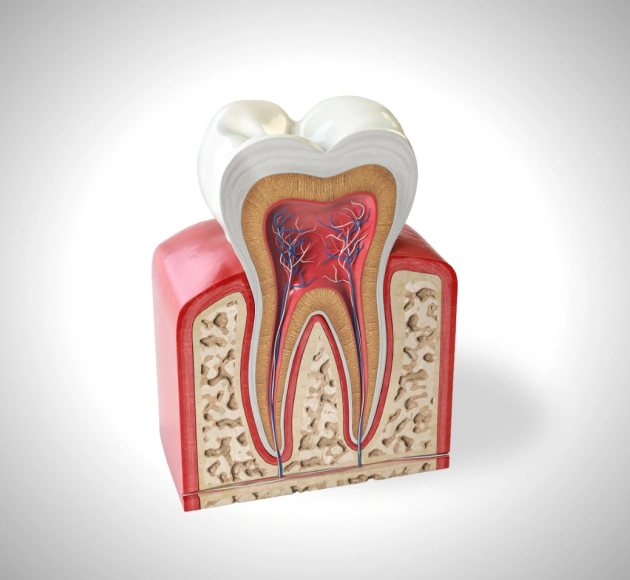
A root canal, also called endodontic therapy, is a treatment that removes infected or damaged pulp from inside your tooth. As the American Dental Association describes it, your dentist opens the top of the tooth and removes the nerve from inside the tooth and its roots. The pulp contains nerves and blood vessels that can become infected due to untreated cavities, injury, or extensive dental work. By removing the infected pulp, this procedure helps preserve the tooth and prevents additional infections, enabling you to keep your natural teeth and avoid more invasive options such as extractions or dental implants.
When is a root canal required?
Root canals are generally necessary when the pulp within a tooth is infected or significantly damaged. Below are some common symptoms that may suggest the need for a root canal:
- Chronic tooth pain that may occur spontaneously or without cause
- Discomfort while biting or chewing
- Extended sensitivity to hot or cold substances
- Swollen or sensitive gums
- Facial swelling
- Discoloration of the tooth
If you notice any of these signs, it’s important to reach out to our dental practice in Roswell, GA to arrange an appointment. You can also call (470) 970-4111 or contact our Roswell, Georgia office. Prompt action can help preserve your tooth and avoid additional issues. If swelling spreads across your face, or you have trouble breathing or swallowing, go to the nearest hospital emergency room.
Types of Root Canals
Standard Root Canal
This is the most frequently performed type of root canal treatment for teeth with infected or damaged pulp. The process includes cleaning, shaping, and filling the root canals to remove infection and preserve the tooth.
Root Canal Retreatment
In certain situations, a tooth that has had a root canal may experience reinfection or new complications. Root canal retreatment entails reopening the tooth, removing the previous filling material, and addressing the new infection.
Apicoectomy
An apicoectomy is a surgical intervention conducted when a conventional root canal does not successfully eliminate the infection. During this procedure, the dentist removes the tip of the tooth's root along with any infected tissue in the vicinity, and then seals the area with a root-end filling.
Pediatric Pulpotomy
This procedure is carried out on primary teeth that have infected pulp. The dentist extracts the infected pulp from the pulp chamber while keeping the healthy pulp in the roots intact. Following this, a stainless steel crown is fitted onto the tooth to protect it until the permanent tooth comes in.
The Root Canal Process at Shallowford Dental Studio
Being informed about the root canal process can reduce anxiety and help you prepare for the treatment. Here are the essential steps involved in receiving root canal therapy at our dental office in Roswell, GA:
1. Numbing the Area
The dentist will begin by administering a local anesthetic to numb the affected area so you can stay comfortable during the procedure. You may feel a brief pinch during the injection, but the anesthetic will quickly take effect, numbing the area.
2. Isolating the Tooth
A rubber dam is positioned around the tooth to keep it dry and protect it from saliva, which may harbor bacteria. This isolation creates a sterile environment, which helps keep the area clean during treatment.
3. Accessing the Pulp
The dentist creates a small opening in the top of the tooth to reach the pulp chamber and root canals. This access point enables the removal of the infected or damaged pulp.
4. Cleaning and Shaping
The dentist uses specialized tools to remove the infected pulp, shape the root canals, and rinse the area to eliminate any debris. This prepares the canals for filling.
5. Filling the Canals
The cleaned canals are subsequently filled with a biocompatible substance, typically gutta-percha, and sealed with dental cement. This step helps prevent future infections and restores the tooth's structural integrity.
6. Temporary Filling
A temporary filling is inserted into the access cavity to safeguard the tooth until a permanent crown can be created. This temporary restoration helps the tooth keep its function and appearance.
Post-Procedure Care and Recovery for Root Canals
Following the root canal treatment, it’s common to feel some slight discomfort or sensitivity for a few days. Generally, over-the-counter pain medications can effectively alleviate any discomfort. It’s important to refrain from chewing on the treated tooth until a permanent crown is applied, as this will help protect the tooth from potential fractures.
Receiving a Permanent Crown
A follow-up visit is required to install a permanent crown on the tooth that has undergone treatment. The crown is specifically designed to fit your tooth accurately, restoring both its strength and aesthetic appeal. This final step helps restore full function and protect the tooth.
What Is the Price of Root Canal Treatment in Roswell, GA?
The price of a root canal can fluctuate depending on various factors, such as the intricacy of the case, the location of the tooth, and whether a general dentist or an endodontist performs the procedure. Treatments for molars, which have multiple roots, generally cost more than those for front teeth. While dental insurance may cover a portion of the expense, it’s essential to consult your insurance provider for precise coverage information. Reach out to our dentist in Roswell, GA for a personalized estimate based on your specific needs, or call (470) 970-4111.
Deciding Between a General Dentist and an Endodontist
Although general dentists can perform root canals, endodontists focus specifically on this procedure and manage more intricate cases. An endodontist in Roswell, GA has extra training in diagnosing and treating problems with tooth pulp. If your case is especially complex or needs retreatment, our team may refer you to an endodontist for specialized care.
Reasons to Select Our Clinic for Root Canal Treatment in Roswell, GA
At our dental office in Roswell, GA, we focus on caring for you and keeping you comfortable during the root canal process. Here are several reasons to consider us for your root canal treatment:
- Dedicated Team: Dr. Lucy Sedrakyan, DMD, and our team care for patients with infected or damaged teeth, and we refer to an endodontist when a case needs specialized care.
- Modern Technology: We use modern dental technology to plan and perform root canals.
- Patient-Centered Care: Your comfort and satisfaction are our primary concerns. We aim to keep your experience as comfortable and stress-free as possible.
- Comprehensive Follow-Up: We offer detailed aftercare instructions and schedule follow-up appointments to monitor your recovery and address any questions.
Frequently Asked Questions
Thanks to advancements in modern dentistry and the use of local anesthetics, root canals have become significantly less painful than in the past. Most patients feel minimal discomfort during the procedure and only experience slight soreness afterward, which can typically be alleviated with over-the-counter pain medication.

