If you are considering replacing a missing tooth, one of the first questions that probably comes to mind is simple and deeply personal: do dental implants look natural? For most people, this is not really a cosmetic side question. It is the question. You want to laugh without thinking about it. You want to talk in a meeting, smile in photos, and order coffee without wondering whether anyone notices the gap or the replacement.
The good news is that modern dental implants can look remarkably natural when they are planned and placed correctly. In many cases, they are the closest thing dentistry has to recreating the look and function of a real tooth. A well-made implant restoration is designed to blend with your surrounding teeth in color, shape, size, and contour, so it does not stand out like a patch on a favorite shirt. It should belong there.
At Shallowford Dental Studio, patients often want more than a technical explanation. They want to know what life actually feels like after treatment. Will the tooth look fake? Will the gumline look odd? Will friends notice? These are fair questions, and the answer usually depends on a few important details: the quality of the planning, the health of the bone and gums, the materials used, and the skill involved in matching the final crown to your natural smile.
What makes dental implants look so realistic?
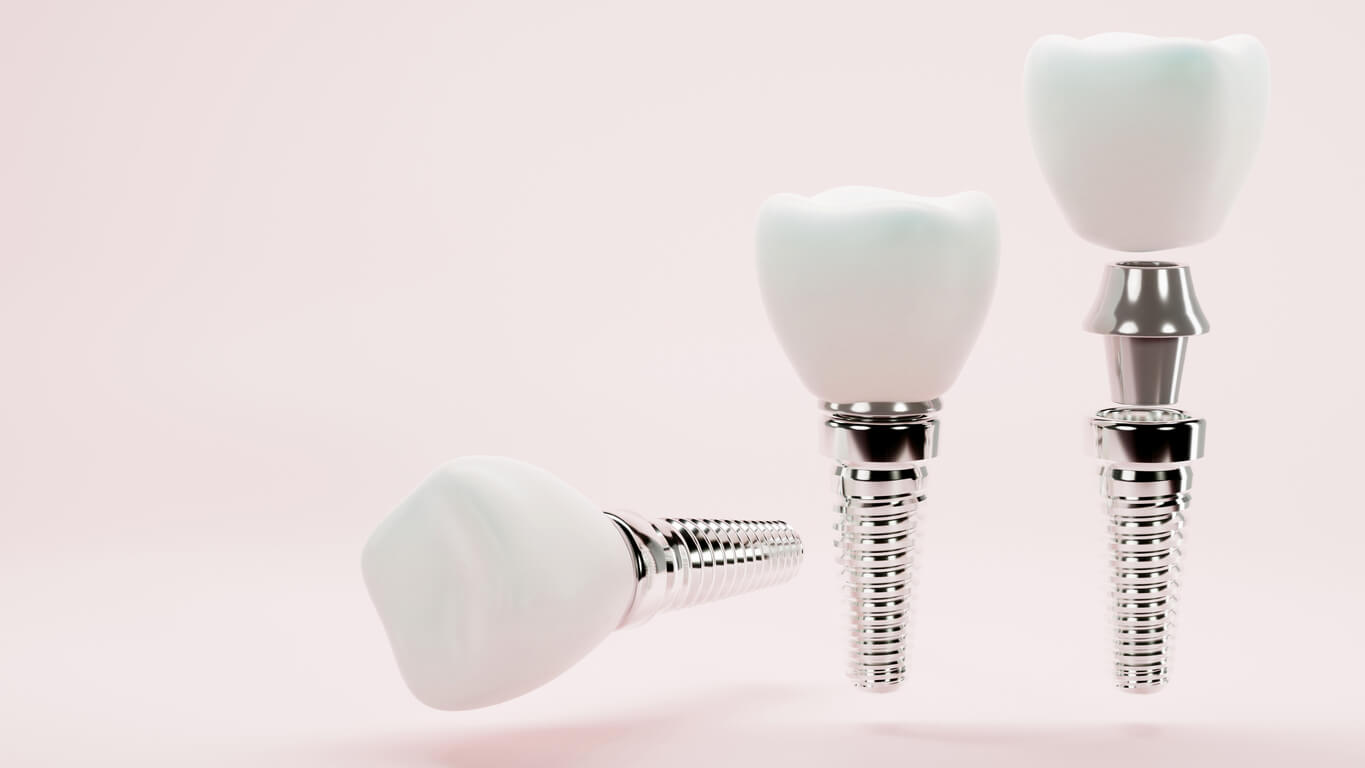
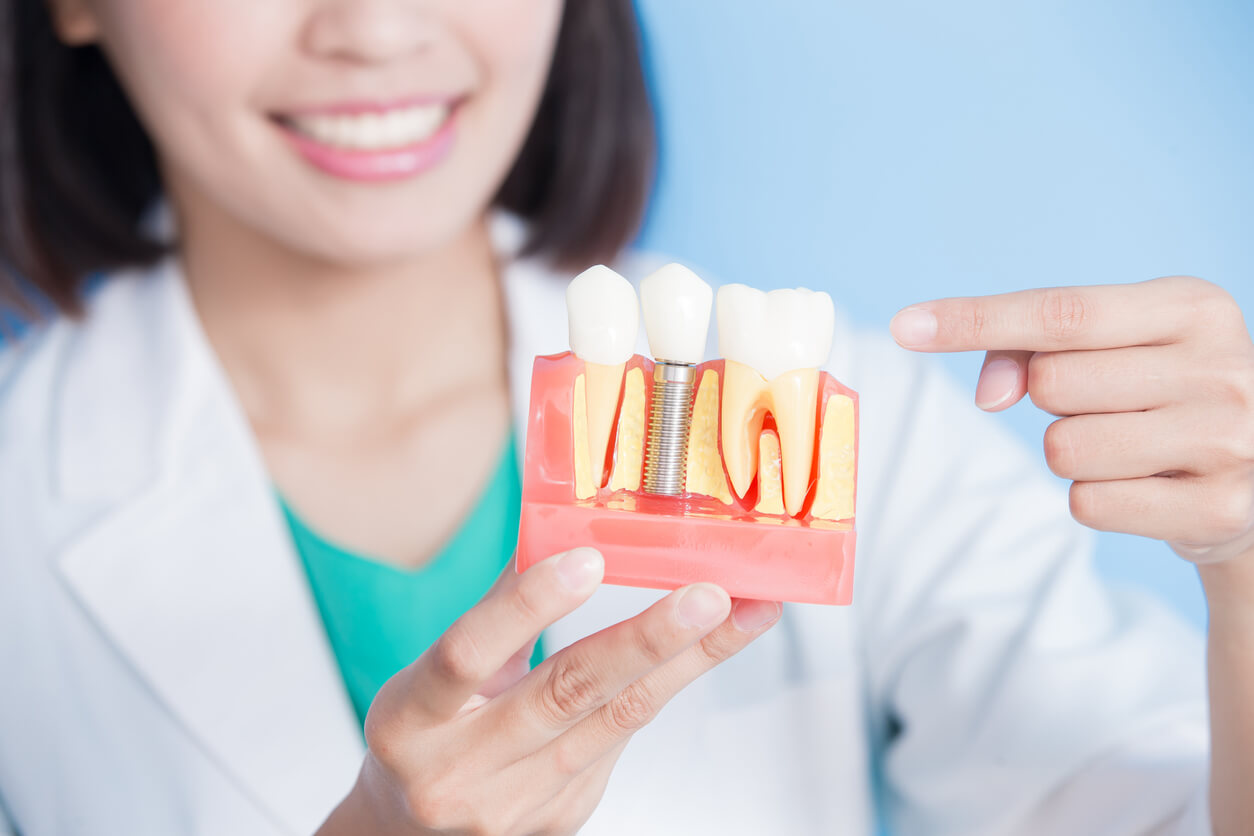
A dental implant is not just one piece. It is a system. The implant post is placed in the jawbone, where it acts like an artificial tooth root. On top of that sits an abutment, and then a custom crown is attached. What people actually see is the crown and the surrounding gum tissue, not the implant itself.
That distinction matters. When people worry that an implant will look artificial, they are usually imagining an obvious replacement tooth that is too white, too square, too flat, or slightly off-center. But modern implant crowns are custom-designed to avoid exactly that problem. A skilled dentist does not simply pick a generic tooth from a catalog and call it a day. The crown is crafted to harmonize with your smile, down to subtle details like translucency, edge shape, and how light reflects off the surface.
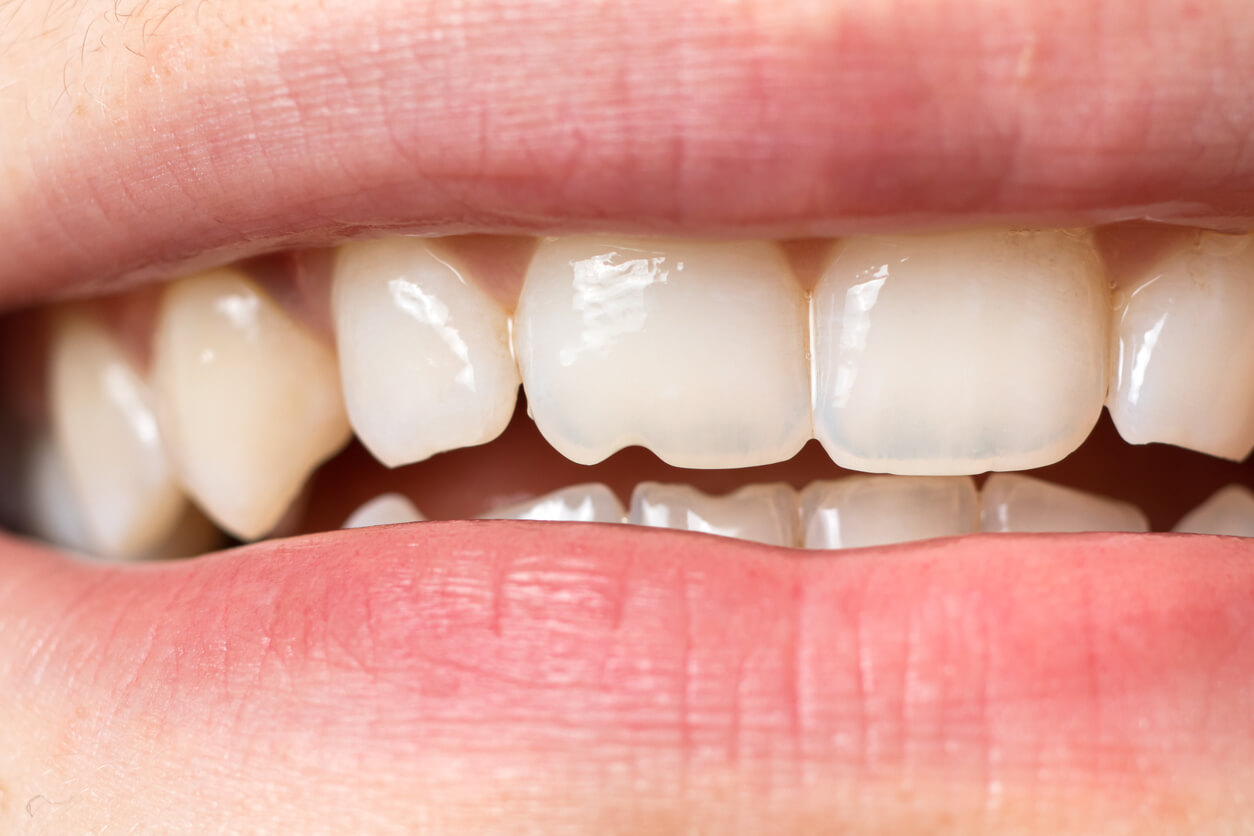
Natural teeth are not blank white tiles. They have tiny ridges, soft variations in tone, and a shape that fits your face. Good implant dentistry respects that. The best results tend to be the ones you do not notice at all.
The crown matters more than most patients realize
When someone asks whether dental implants look natural, a big part of the answer comes down to the crown. This is the visible part of the restoration, and it plays the starring role in the final appearance.
A high-quality crown is customized to match your existing teeth. That means the dentist considers color, but also much more than color. Your nearby teeth may have warm undertones, a little translucency near the edges, or slight asymmetry that makes your smile look human instead of manufactured. If the replacement tooth is too perfect, it can actually look less natural. Nature is rarely perfectly symmetrical, and that is part of what makes a smile believable.
Material also matters. Many implant crowns are made from porcelain or ceramic because these materials mimic the way natural enamel reflects light. That light response is one of the reasons ceramic restorations can look so lifelike. Under normal conversation distance, a well-designed implant crown should not draw attention to itself.
The shape of the crown is just as important. Front teeth, especially, need careful attention. A front tooth that is even slightly too long, bulky, or flat can feel visually “off,” even if someone cannot explain why. That is why custom planning is so important for visible teeth.
Gum tissue plays a huge role in a natural-looking result
People often focus only on the replacement tooth, but the surrounding gums are part of the picture too. In fact, healthy, well-shaped gum tissue can be the difference between an implant that looks seamless and one that looks obviously restored.
Think of it like framing artwork. Even a beautiful painting looks wrong in the wrong frame. In the same way, even a beautifully made crown can look unnatural if the gumline around it is uneven, recessed, or inflamed. The contour of the gums helps the implant emerge from the mouth in a way that looks like a real tooth rather than a piece attached afterward.
This is one reason bone support matters. If too much bone has been lost after a tooth is missing, the gum tissue may not have the same support it once did. In some cases, procedures like bone grafting may be recommended to help create a stronger foundation and support a more natural final result. It is not just about whether the implant can be placed. It is about whether it can look right and age well over time.
Do implants look natural in the front of the mouth?
This is where expectations get very specific, and understandably so. A front tooth lives on stage. It shows up in every smile, every conversation, every family photo, every accidental selfie taken with the camera too close. Patients replacing a front tooth are usually more anxious about appearance than patients replacing a molar, and for good reason.
The answer is yes, dental implants can look very natural in the front of the mouth, but this area requires especially precise planning. The dentist must consider the smile line, gum symmetry, bite pressure, neighboring tooth shapes, and how the final crown will look from multiple angles. Front teeth are less forgiving. Tiny differences that would go unnoticed in the back can be obvious in the front.
That does not mean front tooth implants are a bad idea. It means they should be approached with care. A well-executed front tooth implant can restore confidence in a big way. Patients often say the emotional relief is immediate. They stop guarding their smile. They stop talking with a hand near their mouth. They stop mentally editing themselves in social situations.
Why some dental implants look fake
When people have seen an implant that looked unnatural, it usually was not because implants themselves are doomed to look fake. It was because one or more parts of the process were rushed, poorly matched, or not ideal for the patient’s anatomy.
A crown that is too opaque can look artificial because natural teeth are not solid blocks of white. A mismatch in shade can make the implant stand out, especially if surrounding teeth have natural variation. An incorrect gum contour can create a “stuck on” appearance. Bone loss can lead to black triangles or uneven tissue around the implant. And if the bite is off, the restoration may not only feel wrong but appear misaligned too.
Another common issue is choosing a shade that is brighter than the rest of the smile. Many patients understandably want a beautiful white tooth, but if one implant crown is much brighter than adjacent teeth, it can look like a spotlight in a row of candles. Natural-looking dentistry is often about restraint, not just brightness.
How dentists make implants blend with your smile
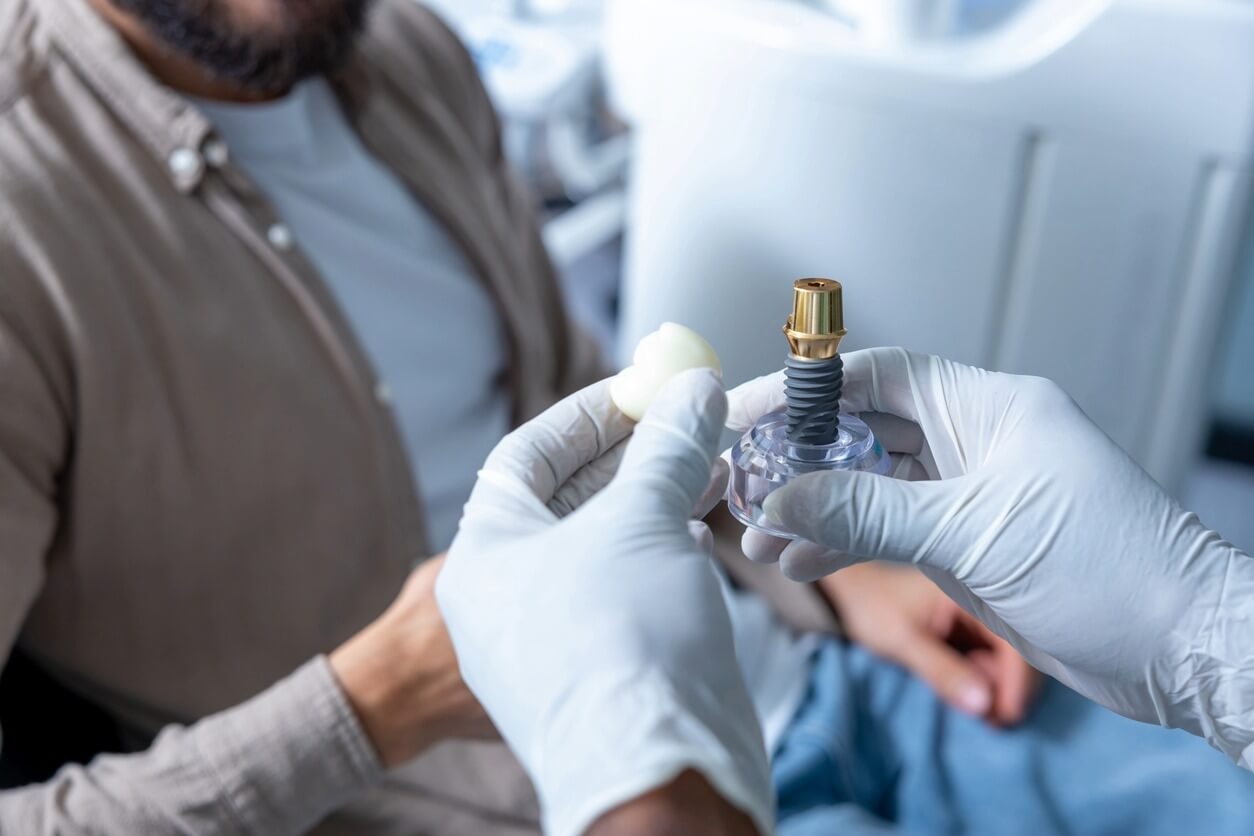
Creating a natural-looking implant is part science, part engineering, and part artistry. The process usually starts with a detailed evaluation of your oral health, bone structure, gums, bite, and surrounding teeth. Digital imaging and careful treatment planning help determine implant position, angle, and spacing.
Placement matters because the implant needs to support a crown that emerges naturally through the gums. If the angle is wrong, the final tooth may look off even if the crown itself is beautifully made. The restoration also needs to work with your bite so it feels comfortable and functions like a normal tooth.
Then comes the design phase for the visible tooth. Shade matching is often done with close attention to neighboring teeth and lighting conditions. The lab fabricating the crown may use layered ceramics to mimic natural enamel and dentin. The final shape is designed to fit the rhythm of your smile, not interrupt it.
This level of detail is why implant results can vary from practice to practice. It is not a plug-and-play treatment. It is customized care.
Will people be able to tell it is an implant?
In many cases, no. Most people will not be able to tell you have a dental implant unless you tell them. That is the goal. A successful implant restoration should disappear into your smile rather than announce itself.
Of course, there is a difference between “nobody can tell” and “it is identical to the tooth you had at age seventeen under perfect lighting.” Dentistry lives in the real world, not fantasy. But modern implants can come impressively close. For everyday life, conversation, smiling, eating, and photos, a properly restored implant should look like a natural part of your mouth.
For patients who have lived with a missing tooth, that can feel almost surreal at first. Something that once felt like the center of every interaction suddenly stops taking up mental space. That is often one of the biggest benefits.
Do dental implants feel natural too?
Appearance matters, but so does feel. One reason implants are so popular is that they are anchored in the jawbone, which gives them a stable, secure quality. They do not shift around like a removable appliance. They are designed to function more like natural teeth.
That stability often contributes to the natural look as well. When a tooth replacement feels secure, patients tend to smile, speak, and chew more normally. There is less self-consciousness, less hesitation, less of that subtle guarded behavior people develop when they are worried about a gap or a loose restoration. In that sense, the natural appearance and the natural feel support each other.
It is worth noting that the implant itself does not have the exact same internal sensation as a natural tooth root, because it does not contain the same living structures. But from a day-to-day standpoint, many patients say implants feel far more natural than they expected.
What affects how natural your implant will look over time?
A natural-looking result is not just about the day the crown is placed. It is also about how the implant and surrounding tissues hold up over the years. Long-term appearance depends on oral hygiene, gum health, bite forces, regular dental visits, and whether the implant was placed in a healthy, stable foundation to begin with.
Healthy gums are especially important. If gum disease develops or inflammation is left untreated, the tissue around the implant can change. Recession around an implant can expose more of the restoration and make it look less natural. That is one reason preventive dental care matters even after the treatment is complete.
Habits can also affect longevity and appearance. Grinding or clenching may place extra stress on the implant crown. Smoking can interfere with healing and gum health. Skipping routine cleanings can allow problems to develop quietly. The best cosmetic result is the one that still looks good years later, not just the one that photographs well on delivery day.
Are dental implants better-looking than other tooth replacement options?
For many patients, yes. Dental implants are often considered one of the most natural-looking options for replacing missing teeth because they are anchored below the gumline and topped with a custom crown. That structure helps create a more realistic appearance than options that simply sit on top of the gums or rely on neighboring teeth for support.
A dental bridge can also look very attractive, and in some situations it may be an excellent option. Dentures have improved significantly too. But implants have a unique advantage because they replace the missing root as well as the visible tooth. That support can help preserve the shape of the jawbone and soft tissue, which contributes to a more natural appearance over time.
If your main concern is whether the replacement will look like it truly belongs in your smile, implants are often the standard patients compare everything else against.
The importance of a personalized consultation
No article can tell you exactly how your implant will look without looking at your teeth, gums, bite, and bone structure. That is why a consultation matters. A personalized exam allows the dentist to evaluate the details that influence your result and talk honestly about what is possible.
For some patients, the path to a natural-looking implant is straightforward. For others, it may include preparatory treatment such as bone grafting, gum care, or planning around cosmetic concerns with nearby teeth. That is not a setback. It is part of doing the job well. The best results are usually built, not rushed.
At Shallowford Dental Studio, patients in Roswell and surrounding communities want dentistry that feels modern but still personal. That is especially true when it comes to smile restoration. Replacing a tooth is not just a mechanical fix. It is a visible, emotional, confidence-related decision. You deserve a plan that respects that.
So, do dental implants look natural?
Yes, they absolutely can. When dental implants are carefully planned, properly placed, and restored with attention to detail, they can look strikingly natural. The crown can be customized to match your surrounding teeth, the gumline can be shaped to support a realistic appearance, and the final result can blend into your smile so smoothly that most people will never know it is not your original tooth.
The key is not just getting an implant. It is getting the right implant treatment for your specific smile. If you are exploring tooth replacement and want a result that looks believable, balanced, and built to last, a consultation is the best next step. A natural-looking smile is not luck. It is the outcome of thoughtful care, good materials, and experienced hands.