Tooth pain can make daily life difficult, disrupting eating, talking, working, and even sleeping in both children and adults alike. Discover how to relieve jaw and tooth pain by understanding the underlying cause of discomfort and using appropriate pain management strategies. This guide explains the common causes of toothaches, provides effective home remedies, and informs you when to seek professional dental care.
Discover safe and effective ways to manage toothache pain for lasting comfort, while protecting your oral health and maintaining peace of mind.
What Causes Tooth Pain?
Understanding why your tooth hurts is crucial for identifying the root of the discomfort. Tooth pain can result from various oral health issues, each with specific triggering factors. Here are the most common causes of tooth pain:
- Tooth Decay: Plaque buildup on teeth produces acids that erode enamel, leading to cavities. As decay progresses, it can reach deeper layers of the tooth, exposing sensitive nerves and causing pain.
- Gum Disease: Inflammation or infection of the gums—often linked to plaque and tartar buildup—can make gums red, swollen, or prone to bleeding. This can lead to discomfort or pain that affects both the gums and the teeth.
- Dental Abscess: A dental abscess is a localized pocket of infection at the tooth’s root or in the surrounding gum tissue. This type of infection can cause significant swelling, tenderness, and persistent, throbbing pain.
- Cracked or Chipped Teeth: When a tooth’s enamel or underlying dentin is fractured or broken, the inner nerves may be exposed. This can result in sharp or shooting pain, especially when pressure is applied or the tooth is exposed to temperature changes.
- Sensitive Teeth: Tooth sensitivity occurs when the protective enamel is worn away or gums recede, exposing the underlying dentin. This exposure allows external stimuli—such as cold air, hot drinks, or sweet foods—to reach the nerve endings inside the tooth, triggering discomfort.
- Impacted Wisdom Teeth: Wisdom teeth that do not fully emerge or are misaligned can become trapped beneath the gumline. This can cause swelling, pressure, and pain in the back of the mouth or jaw.
- Oral Wounds: Sores, ulcers, or injuries inside the mouth may result in pain when eating, drinking, or speaking. Trauma to the soft tissues can irritate nerve endings and create localized areas of discomfort.
If you’re experiencing tooth pain, understanding the underlying cause can offer clarity and peace of mind as you consider your next steps for maintaining your oral health.
Home Remedies for Temporary Toothache Relief
Fast relief is important when tooth pain strikes suddenly and unexpectedly. If you’re wondering how to relieve tooth pain fast, home remedies provide temporary relief before professional treatment is initiated. Always use these options carefully and only as short-term solutions. Review these practical ways to relieve pain quickly at home.
Salt Water Rinse
Swishing half a teaspoon of salt in warm water helps clean the mouth and reduce inflammation. A saltwater rinse acts as a natural disinfectant, helping to kill bacteria, promote wound healing, and alleviate pain.
Cold Compress or Ice Pack
Applying a cold compress, such as an ice pack or wrapped frozen veggies, numbs pain and reduces swelling quickly. Hold it to your cheek for 20-minute intervals to constrict blood vessels and soothe the affected area.
Clove Oil
Dab diluted clove oil on the sore tooth using a cotton ball. Clove oil possesses anti-inflammatory and anesthetic properties, offering toothache relief by numbing the pain and reducing inflammation when applied safely.
Hydrogen Peroxide Rinse
Rinse with a mixture of equal parts 3% hydrogen peroxide and warm water, being careful not to swallow. Hydrogen peroxide rinse helps kill bacteria in the mouth, promotes oral wound healing, and reduces gum bleeding and inflammation.
Over-the-Counter Pain Relievers
Ibuprofen reduces swelling and relieves pain when taken as directed. Select a pain reliever suitable for your age and medical condition, and always follow the recommended dosage instructions for optimal safety and effectiveness.
Tea Bag Compress
Cool a steeped black or peppermint tea bag and press it onto the sore tooth. The anti-inflammatory effects of tannins in the tea help reduce swelling and provide additional comfort to the affected tooth.
Vanilla Extract and Garlic Clove
Use a cotton swab to dab vanilla extract or crushed garlic on the area. Both ingredients have antiseptic properties; vanilla extract mildly numbs pain, while garlic helps kill bacteria and fight infection.
Note for Parents: If a child under 12 experiences tooth pain, contact a dentist before trying any home remedies. Home care may offer brief relief, but professional dental advice and treatment should always come first.
When to See a Dentist
Some toothache symptoms are signs of a serious dental problem that needs urgent attention from a dental professional. Avoid waiting if pain is severe or persistent. Early intervention ensures the best oral health outcomes. Recognize these warning signs that require a dentist’s evaluation.
- Severe Persistent Pain: Pain lasting more than a day or increasing in intensity typically indicates an underlying cause that requires prompt evaluation. Your dentist can provide a proper diagnosis and suggest treatment options for lasting pain relief.
- Noticeable Swelling: Swelling in the jaw, face, or gums may signal an infection or an abscessed tooth. Immediate dental care helps reduce inflammation, control infection, and relieve pain to protect oral health and overall wellness.
- Bleeding or Red Gums: Uncontrolled bleeding, pus, or a bad taste often point to gum disease or abscesses. Address these symptoms promptly with professional dental treatment to prevent further deterioration of your dental condition.
- Broken or Knocked-Out Tooth: A cracked, chipped, or lost tooth exposes sensitive nerves and tissue, causing pain. Fast dental intervention may save the affected tooth and prevent further damage.
- Trouble Swallowing or Breathing: Difficulty swallowing or breathing, especially accompanied by pain and swelling, may be life-threatening. Seek emergency dental care and medical care if you experience these symptoms with your toothache.
Treatment Options for Severe Tooth Pain
Professional dental treatment is often required for severe or persistent pain, especially if you are searching for how to relieve severe tooth pain. Dentists use advanced technology to diagnose and resolve issues efficiently. Solving the underlying cause offers permanent pain relief. Review these treatment options for severe tooth pain discussed below.
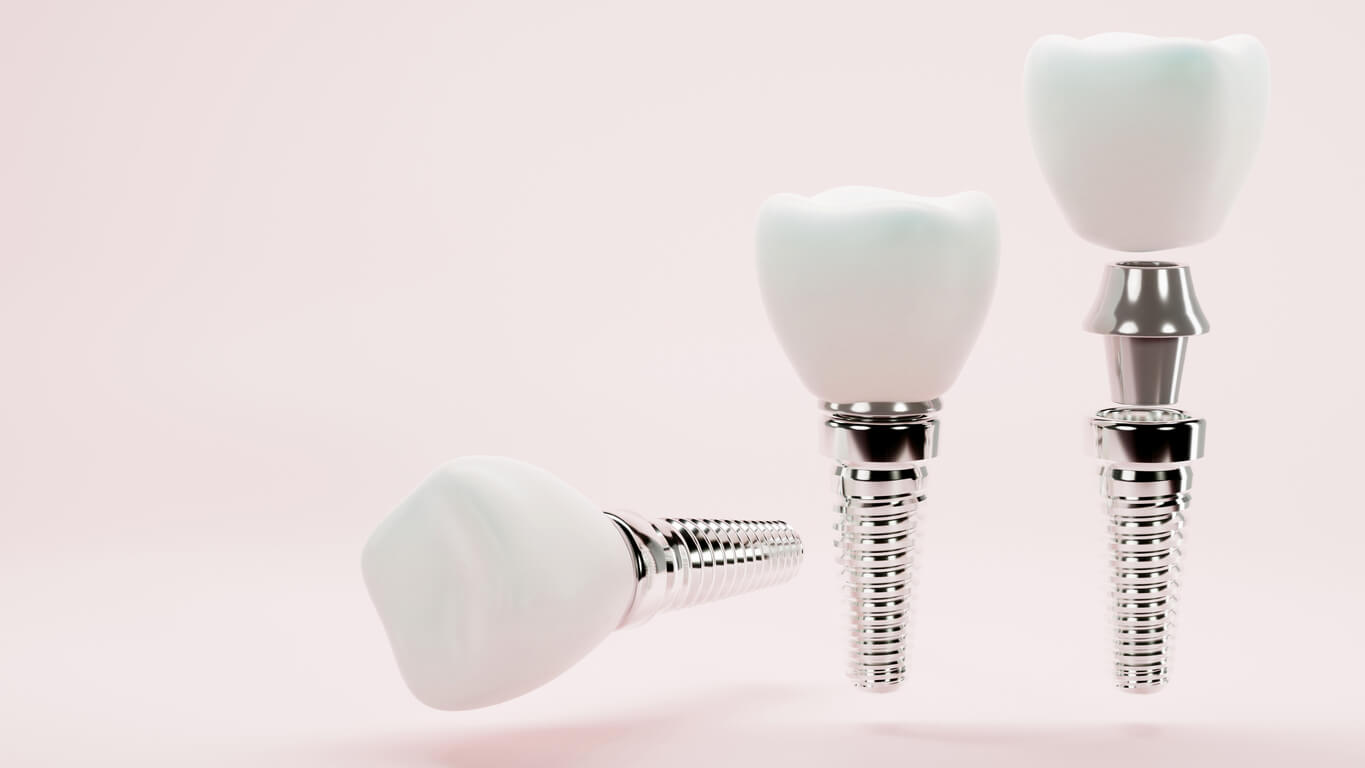
- Fillings or Crowns: Repairing cavities and restoring damaged teeth prevents pain from exposed nerves. Fillings or crowns strengthen the tooth structure and alleviate discomfort caused by tooth decay or fractures.
- Root Canal Therapy: Deep infection or abscesses sometimes require root canal treatment to remove the infected pulp. This treatment preserves the affected tooth and provides effective pain relief for many patients experiencing a toothache.
- Gum Therapy: Specialized treatments aim to heal bleeding gums and reduce inflammation. Gum therapy includes deep cleaning, scaling, or antibiotics to restore gum and oral health.
- Tooth Extraction: For teeth too damaged to repair, extraction is the solution. Removing an infected or impacted tooth relieves pain and prevents further spread of infection.
- Preventive Guidance: Your dentist may recommend soft foods, avoiding chewing on the sore tooth, and using fluoride toothpaste. Personalized dental care helps prevent future toothaches.
How to Prevent Toothaches and Promote Oral Health
Good habits are the foundation of preventing painful dental problems. Consistent self-care protects your teeth and gums over time. Small steps make a lasting difference for oral health. Discover how to prevent toothaches by following the tips provided below.
Consistent Oral Hygiene
Brush twice daily using fluoride toothpaste and floss to remove plaque buildup. Proper oral hygiene helps fight bacteria, prevents cavities, and supports healthy gums in the long term.
Balanced Diet
Limiting sugary foods and acidic drinks decreases the risk of tooth decay and sensitive teeth. Eating soft foods is helpful during episodes of pain or after dental treatment.
Regular Dental Visits
The American Dental Association and Cleveland Clinic recommend checkups and cleanings every six months. Early detection and preventive care keep your oral health on track and prevent toothaches.
Protective Habits
Wear a mouthguard for teeth grinding or sports, and care for oral wounds promptly. Never ignore sensitive teeth, bleeding gums, or signs of ongoing dental pain.
Frequently Asked Questions
Can stress or teeth grinding cause tooth pain?
Yes, stress can contribute to jaw clenching or teeth grinding (bruxism), which may cause tooth pain, jaw soreness, and headaches. Wearing a mouthguard at night can help protect your teeth and reduce discomfort.
Does a cavity always cause a toothache?
Not always. While cavities are common, toothaches can also result from gum infection, sinus issues, cracked teeth, or dental abscesses. A dentist will determine the exact cause.
Can sinus infections lead to tooth pain?
Yes, sinus infections can create pressure in the upper jaw and teeth, mimicking a toothache. If you have congestion with tooth pain, consult your dentist and physician.
Does using a warm compress help with tooth pain?
A warm compress may soothe pain from jaw tension or muscle spasms, but for swelling or acute dental issues, a cold compress is typically recommended.
What foods should I avoid if I have a toothache?
Avoid very hot, cold, sticky, or sugary foods—these can irritate a sore tooth further. Stick to soft foods and lukewarm beverages until you see a dentist.
Regain Your Comfort and Confidence with Expert Tooth Pain Solutions
Tooth pain can have a major impact on your quality of life, but you don’t have to face it alone. At Shallowford Dental Studio, our experienced team is dedicated to delivering personalized care. We use state-of-the-art technology and gentle, patient-focused approaches. With our expertise, we can accurately diagnose the underlying cause of your discomfort. We provide lasting relief that restores both your oral health and your confidence.
Don’t let a persistent toothache or sudden dental pain keep you from enjoying the moments that matter most. Whether it’s an urgent concern or a lingering sensitivity, we’re ready to help you find real, lasting solutions. Contact us today to schedule your appointment and take the first step toward a healthier, more comfortable smile.