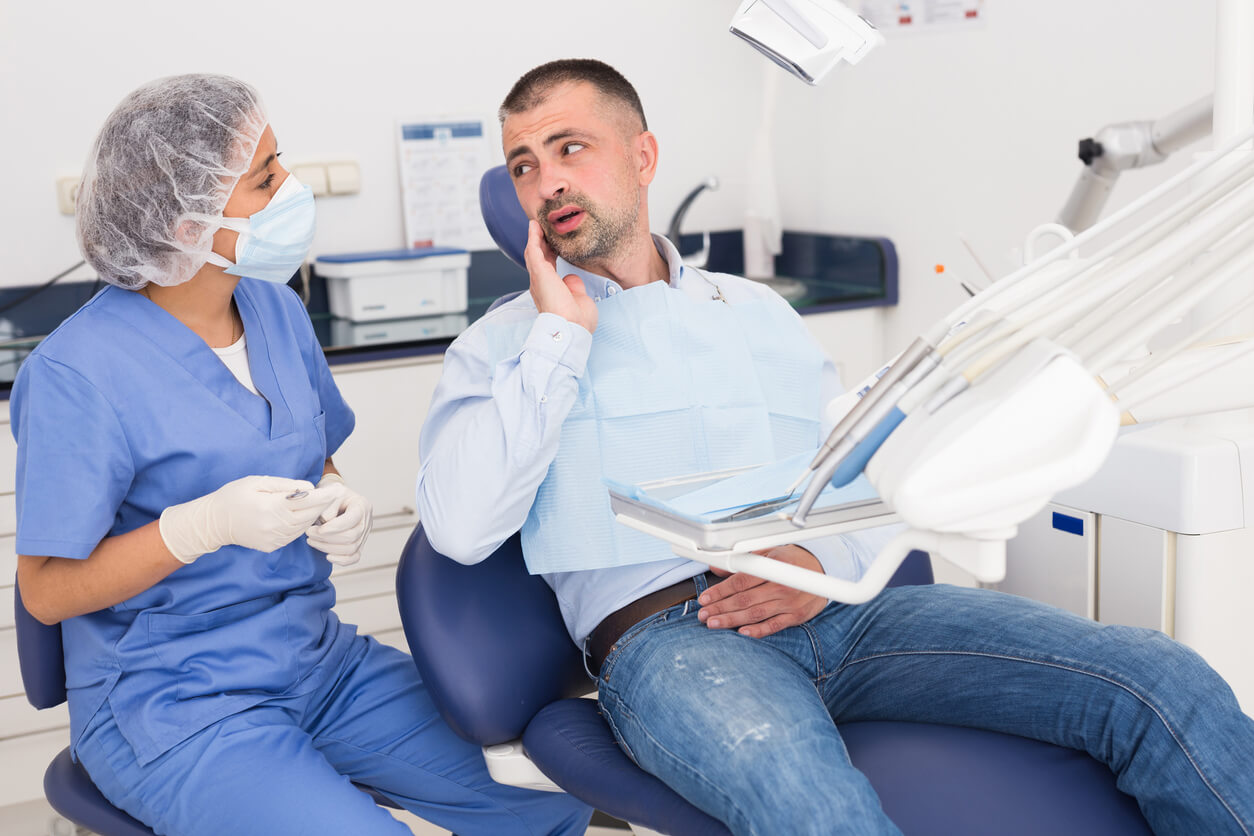
Dental emergencies such as sudden tooth pain, a broken tooth, or unexpected swelling can be distressing and require urgent care. These situations may arise from trauma, advanced decay, infection, or even complications from untreated dental problems. In the face of such emergencies, responding quickly with timely emergency dental care is crucial, it can protect your oral health, prevent further complications, and often save a tooth that might otherwise be lost.
Understanding when you might need an emergency tooth extraction empowers you to take prompt and appropriate action, avoiding damage to your surrounding teeth, gums, and overall well-being.
What Is an Emergency Tooth Extraction?
An emergency tooth extraction is a rapid dental procedure performed when a tooth poses an immediate threat due to severe pain, infection, or injury. Unlike planned extractions, this dental treatment is done as soon as possible to alleviate pain and protect your dental health. Advanced diagnostic tools, such as X-rays, enable dentists to achieve an accurate diagnosis and determine if your tooth can be saved by a crown, a filling, a root canal or if removal is the only solution.
Many patients wonder, How much does an emergency tooth extraction cost? The answer can differ depending on factors such as the complexity of the extraction, whether it’s a simple or surgical extraction, and your dental insurance coverage. It’s best to speak with the dental office directly to understand costs and payment options.
Recognize the Warning Signs: When Is Emergency Extraction Necessary?
Recognizing the symptoms that signal a dental emergency is crucial in seeking prompt treatment and protecting your oral health. Not all dental pain requires immediate extraction; however, certain warning signs indicate that you should seek immediate attention. Recognizing these symptoms will help you make an informed decision and act promptly, minimizing potential risks to your teeth and overall health.
Severe, Persistent Tooth Pain
If you experience intense, throbbing pain that persists despite over-the-counter medication, this may indicate a severe infection or advanced tooth decay. Pain that disrupts sleep or daily activities is a clear sign that immediate attention is needed.
Broken, Cracked, or Knocked Out Tooth
Trauma or accidents can damage or dislodge a tooth. If the break is extensive, exposes the inner tooth pulp, or the tooth is completely knocked out, an urgent dental evaluation can increase the chance of saving the tooth or prevent further oral health complications.
Swelling or Abscess
Swelling in the gums, face, or jaw, especially if accompanied by pus, fever, or a bad taste, frequently signals an abscessed tooth. This requires prompt treatment to prevent the spread of infection, which can have severe health consequences.
Loose Teeth from Gum Disease
In advanced gum disease, the supporting tissue and bone deteriorate. If your tooth feels loose or moves easily, this could indicate significant damage, and extraction may be necessary to protect your other teeth and overall health.
Signs of Systemic Infection
Whole-body symptoms, such as fever, fatigue, difficulty swallowing, or swollen lymph nodes, can indicate that a dental infection is spreading. Quick intervention from a dentist is necessary to prevent the situation from escalating.
Problematic Wisdom Teeth
If you experience pain, swelling, or pressure at the back of your mouth, your wisdom teeth, also known as third molars, may be impacted or infected. Impacted wisdom teeth can threaten your bite, cause recurring infections, and put surrounding teeth at risk.
Experiencing any of these signs means you should contact an emergency tooth extraction near me service for immediate attention. Getting timely care can help prevent further complications and protect your dental health.
Types of Emergency Tooth Extractions and Procedures
The type of emergency extraction you need depends on your tooth’s condition and the health of the surrounding gum tissue. Your dentist will assess you and recommend the most suitable course of action. Understanding the possible procedures can help you feel more at ease and informed going into your appointment.
- Simple Emergency Extractions: Used when the tooth is clearly visible above the gumline and not impacted, a simple extraction involves gently loosening and removing the tooth using special instruments and local anesthesia. This approach minimizes trauma and speeds up recovery time.
- Surgical Extractions: Sometimes, teeth are broken off at the gumline or are trapped beneath the gums, as with impacted wisdom teeth. In these cases, the dentist makes an incision in the gums and may need to remove bone or section the tooth to extract it safely. Surgical extractions are more complex but prevent further complications.
- Alternative Treatments: Not all dental emergencies require extraction. Your dentist may offer treatments like a root canal to remove infected pulp, a dental filling for minor decay, or a crown to stabilize the tooth and restore its function.
Each situation is unique, and your emergency dentist will weigh and explain which option is best for your specific dental condition.
What to Do During a Dental Emergency
Acting calmly and correctly when facing a dental emergency can help alleviate pain, prevent further complications, and ensure you receive the necessary care. Taking the right steps can also preserve your tooth in some cases or at least avoid additional damage before you reach the dental office. Follow these immediate steps to better manage your dental emergency.
- Rinse with Warm Water: Gently cleaning your mouth helps remove debris and bacteria, reducing the risk of further infection and preparing the area for examination by your dentist.
- Apply a Cold Compress: Placing a cold compress on the cheek over the affected area helps minimize swelling and numbs the region, providing temporary pain relief while you await professional care.
- Avoid Using the Affected Side: Chewing on the painful or damaged area could aggravate the problem, worsen the break, or cause more pain. Use the opposite side of your mouth and avoid hard or crunchy foods.
- Handle a Knocked-Out Tooth Properly: If a tooth is cracked or knocked out, handle it by the crown and avoid touching the root. Keeping the tooth moist in milk or saliva helps preserve the cells, increasing the likelihood that your dentist can reimplant it.
- Manage Broken Braces: A protruding broken wire can puncture gums or cheeks. Placing orthodontic wax over sharp ends prevents injuries until your dentist can perform repairs during your emergency visit.
- Contact Your Dentist Immediately: Quick professional advice and an urgent appointment are the fastest ways to receive accurate treatment and minimize long-term consequences for your dental health.
The Importance of Immediate, Professional Emergency Care
Seeking timely care from a qualified emergency dentist can make a difference in the outcome of your dental emergency. Professional intervention not only relieves severe pain but also prevents the escalation of infection and reduces the risk of tooth loss.
Here’s why prompt dental treatment matters in emergencies.
- Patient Comfort with Local Anesthesia: Your dentist will use targeted numbing medication to keep you as comfortable as possible, even during surgical extraction procedures or when treating severe infections.
- Accurate Diagnosis: By utilizing advanced diagnostic tools, such as digital X-rays and thorough examinations, dental professionals can determine the main source of your pain and select the most suitable treatment, thereby saving time and minimizing complications.
- No More Further Complications: Prompt action can prevent an infection from spreading to other teeth, gums, or the jaw and bloodstream. Immediate dental care lowers your risk of needing more extensive procedures later.
- Straightforward Cost Guidance: If you’re asking, “How much is an emergency tooth extraction?” the price may be influenced by whether your case requires a simple or surgical extraction, as well as sedation options and your insurance coverage.
The right approach and support from your dentist can help you heal quickly and comfortably, ensuring your oral health remains protected.
Aftercare, Recovery, and Prevention
Proper aftercare is crucial for recovery after an emergency extraction or other urgent dental treatment. Effective post-procedure routines can reduce complications and support prompt and proper healing. Below are essential aftercare steps and long-term dental health tips to help you maintain a confident smile.
- Choose the Right Foods: Stick to soft, cool foods such as yogurt, applesauce, or soup for the first 24 to 48 hours after the procedure. Avoid hot, crunchy, or spicy foods, as they can delay the healing process.
- Gentle Oral Hygiene: Brush your teeth with care, avoiding the extraction site while it heals. Use a soft toothbrush and gently rinse the area with salt water the day after the procedure to keep it clean and prevent infection.
- Attend Follow-Up Appointments: Attending your scheduled follow-up visits allows your dentist to monitor your healing, remove any stitches if necessary, and discuss restoration options to restore your comfort and function.
- Maintain Preventive Care: Consistent checkups with your dentist and good daily oral hygiene are your best defense against future dental emergencies. Routine cleanings can help catch tooth decay, gum disease, or erupting wisdom teeth early, allowing you to avoid urgent dental visits later.
Your Relief Starts Now: Take Action Against Dental Emergencies and Secure Your Oral Health Today
In moments of dental crisis, knowing you have a reliable team ready to help brings invaluable peace of mind. At Shallowford Dental Studio, we provide urgent, compassionate care for patients experiencing severe pain, swelling, broken teeth, or dental abscesses in Roswell, Cobb County, Fulton County, and the North Atlanta suburbs. Our dental team uses state-of-the-art technology and gentle approaches to restore your comfort and protect your overall well-being—right when you need it most.
Don’t wait for your dental emergency to worsen or risk unnecessary complications. Contact us today and get answers to your questions or receive immediate, expert guidance. Click to book online now or call our team for urgent assistance. Your pathway to relief begins with a single step.