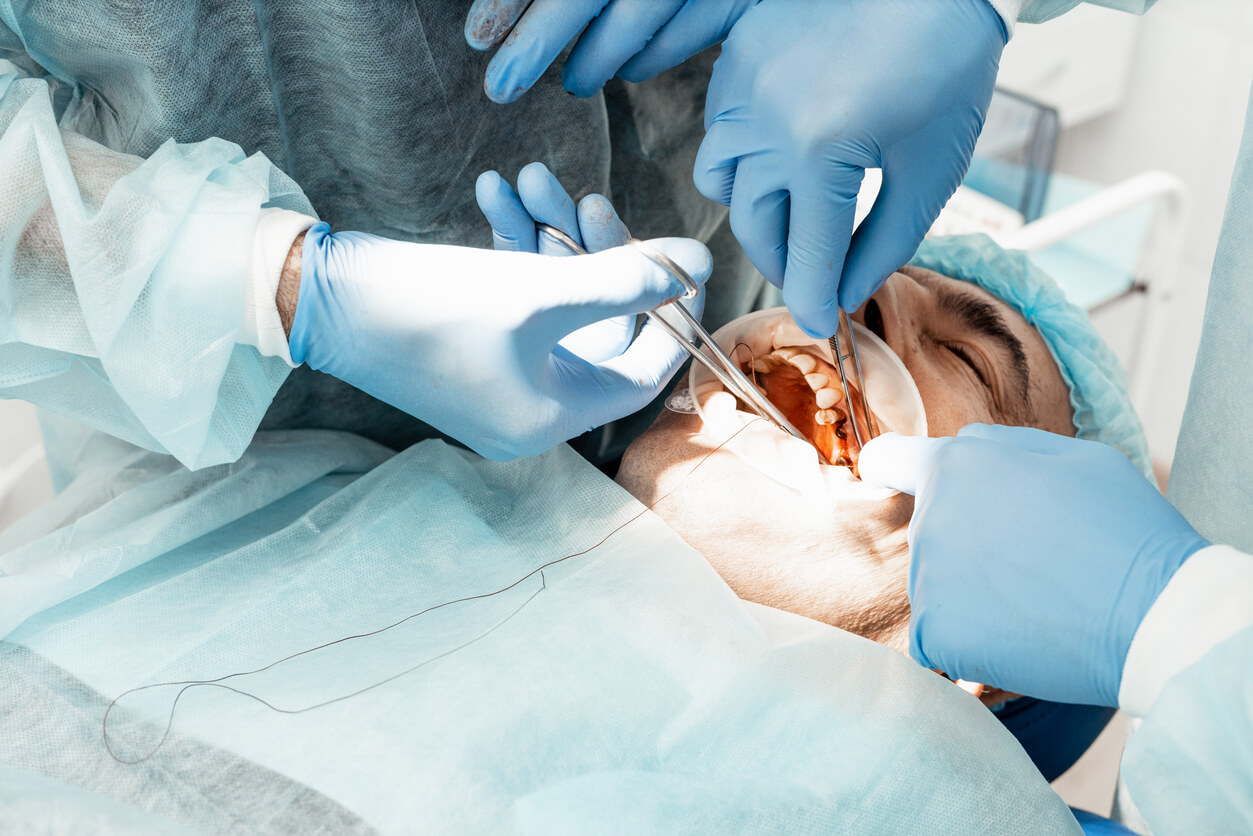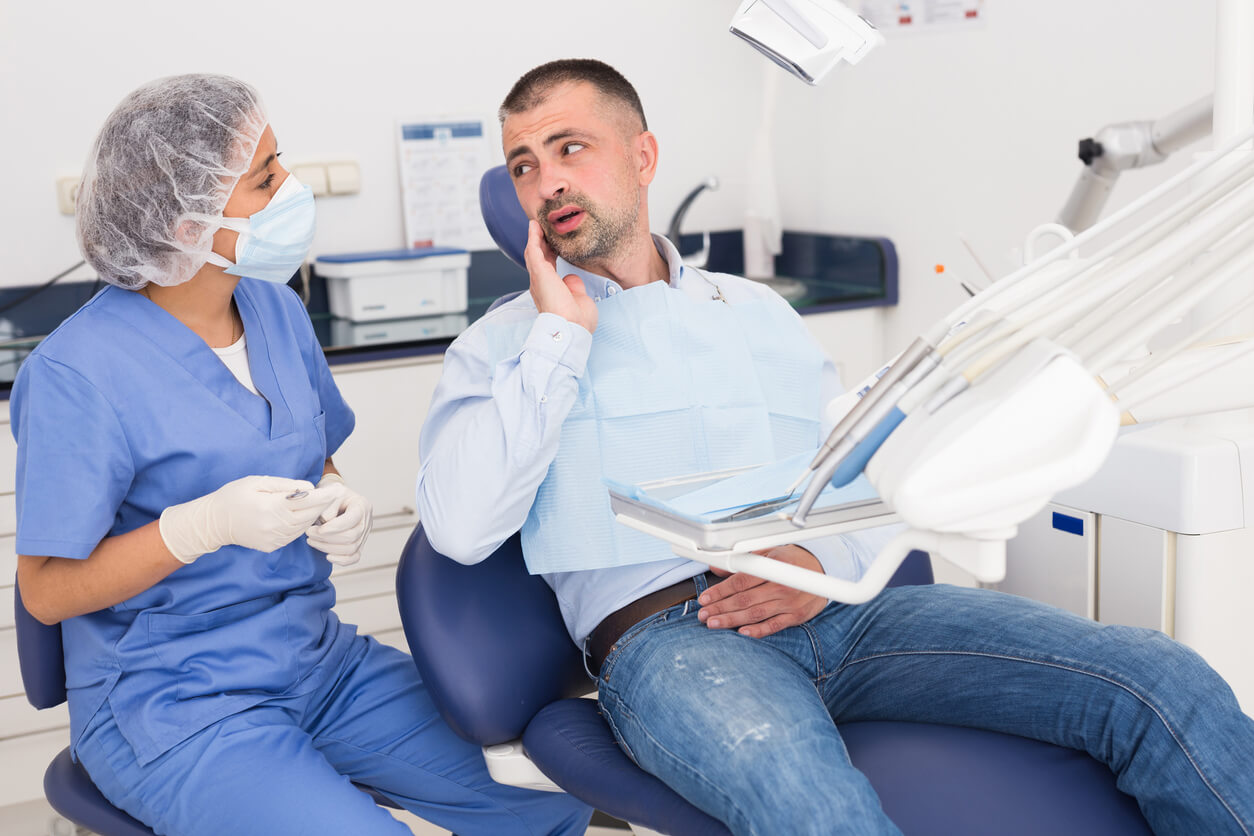
A dental emergency rarely shows up at a convenient time. It doesn’t wait for a free afternoon, a school holiday, or the end of your workday. It tends to arrive in the middle of dinner, during a weekend soccer game, or right before an important meeting. One minute everything feels normal, and the next you are holding your jaw, staring at a chipped tooth in the mirror, or wondering whether that throbbing pain will calm down on its own.
The truth is that many people are not sure what actually counts as a dental emergency. Some problems feel dramatic but can wait a day or two. Others seem minor at first and quickly become much more serious. Knowing the difference matters. Fast action can sometimes save a tooth, reduce the risk of infection, and spare you from more complex treatment later.
At Shallowford Dental Studio, we help patients in Roswell, GA, and surrounding areas in Cobb and Fulton Counties handle urgent dental issues with calm, modern, compassionate care. If you have ever wondered which situations deserve immediate attention, here is a closer look at the most common dental emergencies and what to do when they happen.
What Counts as a Dental Emergency?
A dental emergency is any oral health problem that needs prompt treatment to stop bleeding, relieve severe pain, save a tooth, or control infection. In plain language, if your mouth is sending up flares instead of quiet signals, it is time to pay attention. Sharp pain, swelling, trauma, or a damaged restoration can all cross the line from inconvenient to urgent.
Not every dental issue is a true emergency, but it is better to ask than guess wrong. A mild toothache may be manageable for a short time, but a cracked tooth with exposed nerves or swelling in the gums can escalate quickly. If you are unsure, calling an emergency dentist is often the smartest first move. A quick conversation can help you understand whether you need same-day care.
Severe Toothache
A severe toothache is one of the most common reasons people seek emergency dental care. This is not the dull annoyance you notice when sipping iced water. This is the kind of pain that hijacks your focus, keeps you awake, and makes you feel every heartbeat in your jaw. It may be caused by deep decay, an infected pulp, a cracked tooth, or gum infection.
Pain like this should never be ignored. Tooth pain is often your body’s alarm system, and it usually means something underneath the surface is inflamed or infected. If the ache lingers, worsens, or is paired with swelling, fever, or sensitivity to pressure, you should contact a dentist right away. In some cases, treatment may involve a filling, crown, root canal therapy, or drainage of an infection.
Until you are seen, rinse your mouth gently with warm water and avoid placing aspirin directly on the gums, which can irritate the tissue. A cold compress on the outside of the face may help reduce discomfort. But home care is only a bridge, not a fix.
Chipped, Cracked, or Broken Teeth
Teeth are strong, but they are not indestructible. Biting into something hard, taking an elbow during a pickup basketball game, or grinding your teeth night after night can all lead to a chipped, cracked, or broken tooth. Some breaks are small and mostly cosmetic. Others are deep enough to expose the inner layers of the tooth, which can cause significant pain and increase the risk of infection.
A cracked tooth can be especially tricky because it may not always be visible. You might feel pain when chewing, sensitivity to hot or cold, or a strange twinge that comes and goes like a flickering light. Even if the damage seems minor, it is worth having it evaluated quickly. Cracks can spread, and what starts as a repairable problem can become a tooth loss situation if left untreated.
If part of the tooth breaks off, save any pieces if possible and bring them to your appointment. Rinse your mouth with warm water and use gauze if there is bleeding. Avoid chewing on that side. Depending on the extent of the damage, treatment may include bonding, a dental crown, veneers in some cosmetic cases, or more advanced restorative care.
Knocked-Out Tooth
A knocked-out tooth is one of the clearest examples of a true dental emergency. Whether it happens in a fall, a sports accident, or a collision that seemed harmless until you checked your mouth, time matters. There is a small but important window in which a dentist may be able to save and reimplant the tooth.
If an adult tooth has been knocked out, pick it up by the crown, not the root. If it is dirty, rinse it gently with water, but do not scrub it or remove any attached tissue. If possible, place the tooth back in its socket and hold it there. If that is not possible, keep it in milk or in a tooth preservation solution if one is available. Then get to an emergency dentist immediately.
This is not a wait-and-see moment. A knocked-out tooth is a race against the clock, and fast action gives the best chance of saving it. For families in Roswell, having a plan for dental injuries during sports seasons or active weekends can make a real difference.
Lost Filling, Crown, or Dental Restoration
A lost filling or crown may not sound as dramatic as a knocked-out tooth, but it can still become urgent quickly. Restorations protect vulnerable tooth structure. When one comes loose or falls out, the exposed area may be sensitive, sharp, or prone to further damage. Suddenly even breathing in cool air can feel like a spark hitting a live wire.
If a crown falls off, save it and bring it with you. Do not try to force it back into place with household glue. Temporary dental cement from a pharmacy may help in some situations, but you still need professional care. A lost filling may leave a hole that traps food and bacteria, raising the risk of decay or infection.
Prompt treatment can often prevent a larger repair. What could have been a simple replacement may become a crown, root canal, or extraction if the tooth remains unprotected for too long.
Dental Abscess or Infection
A dental abscess is a serious infection that forms near the root of a tooth or in the gums. It often causes intense pain, swelling, a bad taste in the mouth, foul breath, or a pimple-like bump on the gum. In some cases, the pain may suddenly decrease if the abscess drains, but that does not mean the problem is gone. It means the infection has found a release valve.
This type of infection should be treated as urgent because it can spread to nearby tissues and, in rare but dangerous cases, beyond the mouth. Swelling in the jaw, face, or gums should never be brushed off, especially if it is paired with fever or difficulty swallowing. An abscess is not a problem to tough out over a long weekend.
Treatment depends on the cause and may include draining the infection, root canal therapy, antibiotics when appropriate, or extraction if the tooth cannot be saved. If you suspect an infection, contact a dentist as soon as possible.
Swollen Gums, Jaw Swelling, or Facial Swelling
Swelling is your body’s version of a flashing red dashboard light. It usually means inflammation, infection, trauma, or another serious issue is at work. Gum swelling may develop around one tooth, while jaw or facial swelling can signal a deeper infection or injury that needs immediate evaluation.
Even if the pain is not extreme, visible swelling should not be ignored. The mouth is a small space packed with nerves, blood vessels, and tissues that can react quickly. What starts as localized inflammation can become much more uncomfortable and much harder to treat if it spreads.
Cold compresses may help temporarily, but they are not a substitute for care. If swelling affects your breathing, swallowing, or ability to open your mouth, seek emergency help without delay.
Bleeding After Dental Trauma
Some bleeding from the mouth may stop quickly after a minor bite or irritation, but persistent bleeding after a dental injury is a different story. A fall, sports injury, or accident can damage teeth, gums, lips, cheeks, or the tongue. Because the mouth has a rich blood supply, even small injuries can look dramatic. Still, ongoing bleeding deserves attention.
Apply gentle pressure with clean gauze or a cloth and use a cold compress on the outside of the area. If the bleeding does not stop, or if it is paired with a broken tooth, loose tooth, or jaw pain, contact an emergency dentist right away. Sometimes the visible injury is only part of the problem.
Trauma can affect the roots, supporting bone, or soft tissue in ways that are not obvious at first glance. A professional exam helps make sure the damage is fully understood and properly treated.
Loose or Partially Dislodged Tooth
A loose adult tooth is never normal. If a tooth feels wobbly after an injury or begins shifting unexpectedly, that is an emergency. Teeth should not move like fence posts in soft soil. They are meant to be stable, anchored securely by roots and surrounding bone.
A partially dislodged tooth may still be attached, but it can be painful, unstable, and at risk of permanent damage. Do not wiggle it or test how loose it is. Try to keep the area as still as possible and seek dental care immediately. Fast treatment may help stabilize the tooth and improve the chance of saving it.
Even when the tooth looks fine after trauma, internal damage may still be present. That is why any looseness should be evaluated quickly rather than monitored at home.
Soft Tissue Injuries Inside the Mouth
Cuts to the lips, cheeks, gums, or tongue are also common dental emergencies, especially for children and active adults. These injuries can happen during sports, falls, or everyday accidents that happen in a split second. One missed step, one slippery pool deck, and suddenly there is blood and panic.
Rinse the area gently with warm water and apply pressure with clean gauze if there is bleeding. Minor injuries may heal on their own, but deeper cuts, persistent bleeding, or wounds caused by dental trauma should be examined promptly. Soft tissue injuries sometimes happen alongside fractured teeth or jaw injuries, which may not be immediately obvious.
If the cut is severe or the bleeding will not stop, urgent medical attention may be necessary. When in doubt, calling a dental office can help you decide the right next step.
When to Call an Emergency Dentist Right Away
If you are experiencing severe pain, swelling, uncontrolled bleeding, trauma to the mouth, a knocked-out tooth, or signs of infection, call an emergency dentist right away. Waiting often makes treatment more complicated. Dental problems rarely improve through wishful thinking alone.
For patients in Roswell, GA, and nearby communities, having a trusted local dental office matters when something urgent happens. You do not want to scroll through search results while holding an ice pack to your face at 8 p.m. Knowing where to turn for emergency dentistry can take some of the fear out of a stressful situation.
What to Do Before Your Emergency Appointment
First, stay as calm as you can. Dental emergencies are unsettling, but a clear head helps. Rinse with warm water, control any bleeding with gauze, use a cold compress for swelling, and avoid chewing on the affected side. If a tooth has been knocked out or a restoration has fallen out, bring it with you.
Second, do not try improvised fixes that can make things worse. Super glue, sharp tools, or online hacks are not substitutes for treatment. The goal is to protect the area and get professional help quickly. Think of first aid as damage control, not a final repair.
Don’t Ignore the Signs of a Real Dental Emergency
The most common dental emergencies include severe toothaches, broken or knocked-out teeth, lost crowns or fillings, abscesses, swelling, bleeding, loose teeth, and soft tissue injuries. Some arrive with a bang, others creep in quietly, but all deserve careful attention when symptoms are intense or worsening.
If you are dealing with sudden dental pain or oral trauma, getting prompt care can protect your smile and your overall health. Shallowford Dental Studio provides compassionate, modern dental care for patients in Roswell, GA, including emergency dental treatment when urgent problems cannot wait. If something feels wrong, trust that instinct and reach out. Your smile is not something to gamble with.