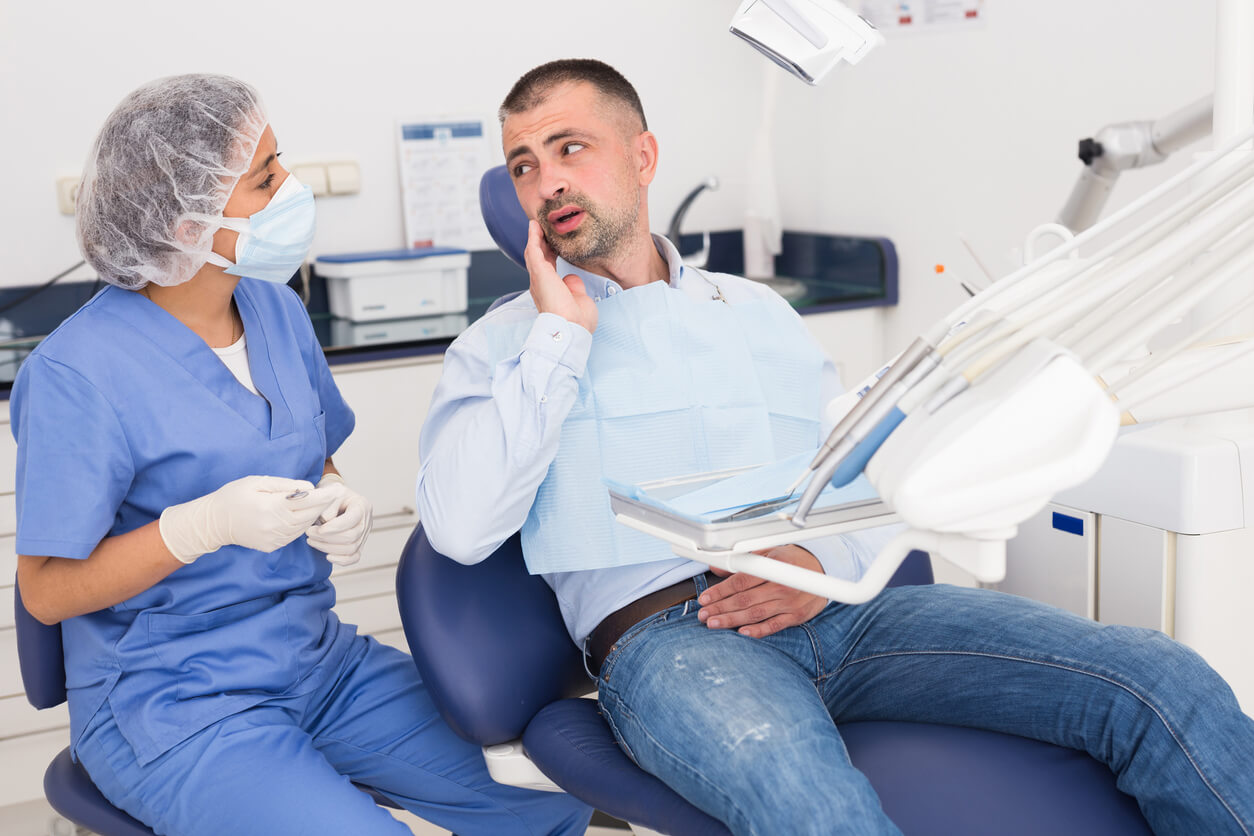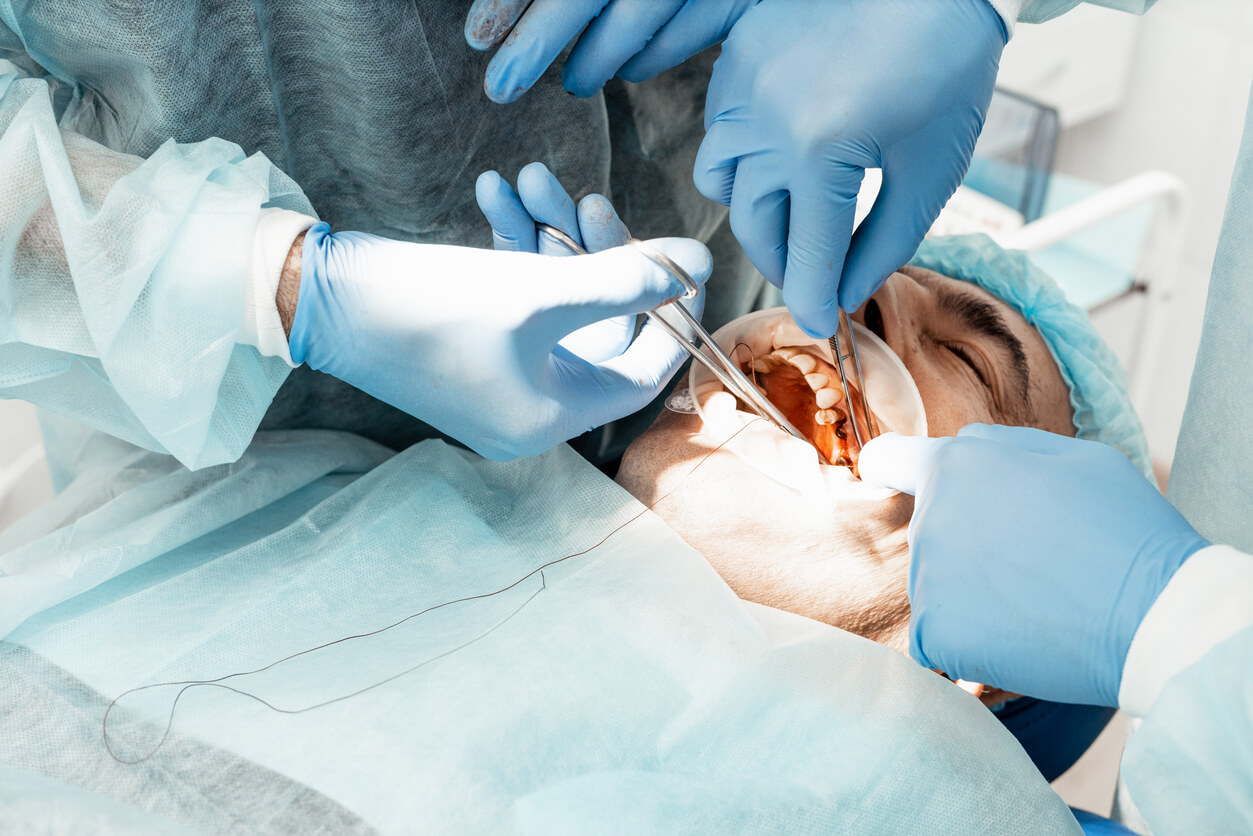
Dental emergencies can happen when you least expect them and knowing when to seek immediate care is essential. Not all dental problems require a trip to the emergency dentist, but some situations need prompt attention. In this blog, we’ll explore the signs that should not be ignored and how you can protect your oral health.
1. Severe Tooth Pain
Tooth pain is one of the most common reasons people visit an emergency dentist in Roswell, GA. If the pain is sudden and intense, it may indicate an underlying issue, such as an infection or deep cavity. Pain that lasts for more than a day or worsens over time needs immediate attention. Waiting too long can lead to further complications and even tooth loss.
In addition, if the pain is accompanied by swelling or a fever, it may be a sign of infection. Don’t delay treatment—seek emergency care right away to prevent the infection from spreading.
2. A Knocked-Out Tooth
Accidents can happen, and sometimes you may knock out a tooth. This is a dental emergency that requires immediate attention. If you act quickly, a knocked-out tooth can sometimes be re-implanted. Be sure to handle the tooth by the crown, not the root. Gently rinse it with water and place it back in the socket if possible. If you cannot reinsert the tooth, place it in a container with milk or saliva and get to your dentist immediately.
The sooner you seek help, the better the chances of saving the tooth. You have a small window of time—usually within 30 minutes to an hour—before the tooth may be beyond saving.
3. Broken or Cracked Teeth
Cracked or broken teeth can be extremely painful. If you experience a dental injury from a fall, a blow, or even chewing something hard, you may have cracked or broken a tooth. Even if the pain seems manageable, it’s crucial to see an emergency dentist. Sharp edges from broken teeth can cut your gums or inner cheek, leading to infection.
In some cases, the damage may expose the tooth’s pulp, causing intense pain and requiring immediate attention to avoid further complications.
4. Severe Bleeding
Bleeding that doesn’t stop within 10 minutes is a sign you should seek emergency dental care. This could be caused by a deep cut in the gums, a broken tooth, or even an injury to the soft tissues of your mouth. If the bleeding is substantial and doesn’t subside, it may indicate a more serious problem that requires prompt care.
Do not hesitate to call your dentist or go to the emergency room if the bleeding is severe. You may need professional treatment to control the bleeding and prevent infection.
5. Swollen Gums or Face
Swelling in your gums or face is a serious sign of a dental problem. It could indicate an infection, abscess, or other severe issues. Swelling may be accompanied by pain, fever, or bad breath, which suggests a bacterial infection. If left untreated, the infection can spread to other areas of your body, posing a serious risk to your health.
If you notice swelling in your gums or face, schedule an emergency dentist appointment immediately. Early treatment can prevent the infection from worsening and spreading.
6. Lost Fillings or Crowns
While not as urgent as some of the other emergencies listed, a lost filling or crown can still be problematic. If a filling or crown falls out, the exposed tooth can become vulnerable to infection or further damage. If this happens, visit your emergency dentist as soon as possible to prevent any additional complications. In the meantime, you can use dental wax or temporary dental cement to cover the exposed area until your appointment.
Don’t Delay Care
Knowing when to seek emergency dental care is crucial for your health. If you experience severe pain, a knocked-out tooth, a broken tooth, uncontrolled bleeding, swollen gums, or lost fillings, it’s important to see a dentist right away. Delaying treatment can result in worsened conditions, complications, and even permanent damage.
Remember, dental emergencies can happen at any time. Being aware of the signs and acting quickly can help prevent further damage and keep your smile healthy. If you’re unsure, it’s always better to err on the side of caution and contact an emergency dentist.