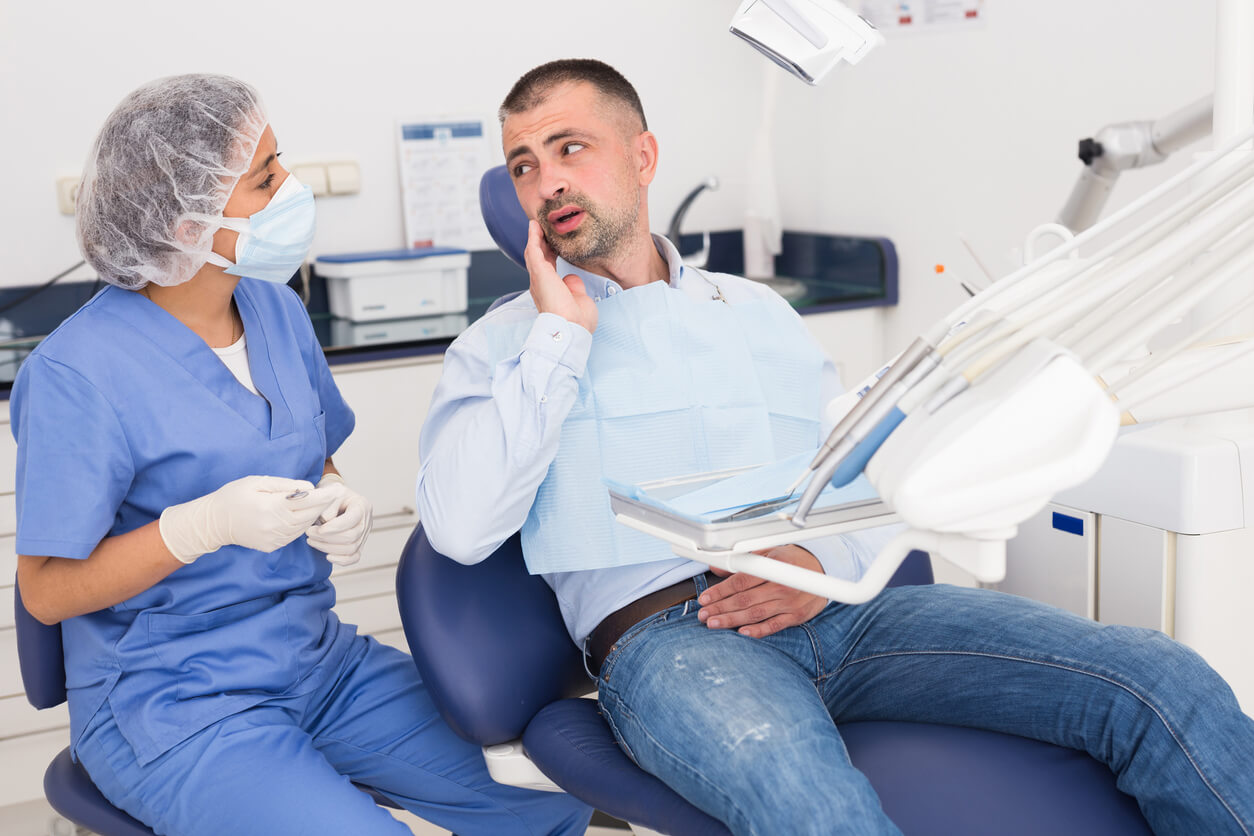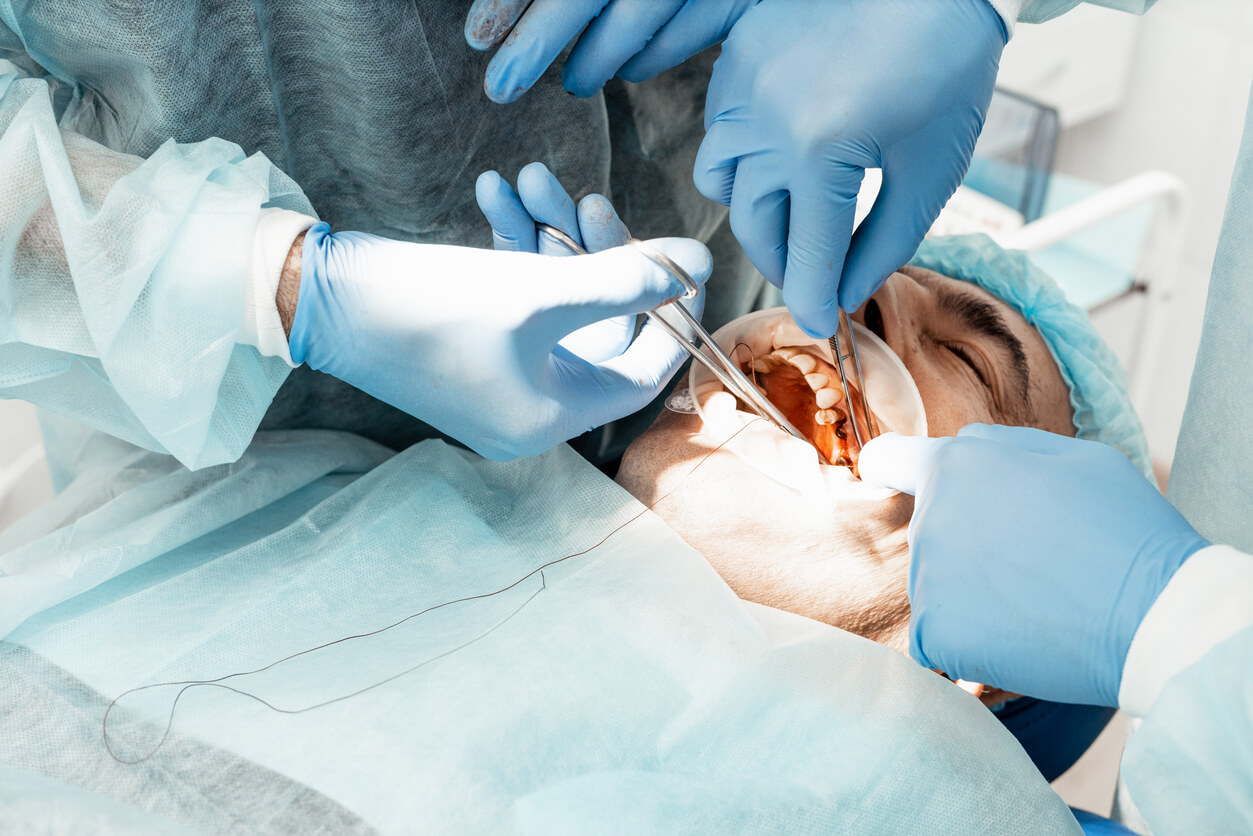
Dental emergencies can happen unexpectedly, causing panic and uncertainty. Whether it’s a sudden toothache, broken tooth, or an injury to your gums, knowing how to act in the moment can make all the difference.
In this guide, we’ll walk you through the essential steps to take during a dental emergency and explain how an emergency dentist can provide the care you need.
Quick Tips To Handle Emergency Dental Situations
1. Identify The Emergency
The first step is determining the severity of your dental emergency. Some situations require immediate professional intervention, while others can be managed temporarily until you can visit the dentist. Here are common dental emergencies:
- Severe toothaches: If the pain is unbearable, it may be due to an infection or deep cavity.
- Chipped or broken teeth: A broken tooth can be painful and requires prompt care.
- Knocked-out teeth: This is a true emergency that requires urgent attention.
- Abscess or infection: Swelling, pain, and pus near the gums may indicate an abscess.
- Soft tissue injuries: Cuts or tears in the gums, cheeks, or tongue.
2. Call an Emergency Dentist
When faced with any dental emergency, the next crucial step is to contact an emergency dentist in Roswell. Dentists specializing in emergency care are equipped to handle urgent situations like broken teeth, severe pain, or infections. They can often see you the same day, ensuring you get immediate relief.
According to a study by the American Dental Association (ADA), about 22% of people will experience a dental emergency in their lifetime. That’s why it’s essential to know how to reach an emergency dentist when you need one the most.
3. Stay Calm and Control The Pain
While waiting for your appointment, managing the pain and keeping calm is important. Here are a few ways to ease discomfort:
- Pain relief: Over-the-counter pain relievers like ibuprofen or acetaminophen can help alleviate pain temporarily. Avoid placing aspirin directly on the affected area, as it may burn the gums.
- Cold compress: Apply a cold compress to your cheek near the affected area to reduce swelling and numb the pain.
- Avoid hot or cold foods: If you have a toothache, avoid eating anything too hot, cold, or sweet, as these can aggravate the pain.
4. Handle Broken or Knocked-Out Teeth Carefully
If your tooth has been knocked out, don’t panic. It may be possible for the dentist to reattach it if you act quickly. Here’s what to do:
- Keep the tooth moist: If you can, place the tooth back into its socket. If not, put it in a glass of milk or water to preserve the tooth until you can see an emergency dentist.
- Avoid touching the root: Hold the tooth by the crown (the top part) to avoid damaging the root.
- Seek immediate dental care: The faster you get to the dentist, the better the chance of saving your tooth.
For broken teeth, gather any pieces of the tooth and bring them to the dentist. You may need a dental crown or bonding to restore the tooth, depending on the severity of the break.
5. Dealing with Soft Tissue Injuries
If you have a cut or laceration on your gums, lips, or other soft tissues in your mouth, here’s how to handle it:
- Clean the area: Rinse your mouth gently with warm water to clean the wound.
- Apply pressure: Use a clean cloth or gauze to apply pressure to the bleeding area. If the bleeding doesn’t stop within 10-15 minutes, seek professional help.
- Ice the area: A cold compress can help reduce swelling and relieve pain.
6. Prevention Is Key
While knowing how to handle a dental emergency is crucial, preventing these situations is even better. Here are some tips to keep your teeth and gums in top shape:
- Maintain good oral hygiene: Brush and floss regularly to prevent cavities and gum disease.
- Wear a mouthguard: If you play sports or grind your teeth at night, a mouthguard can protect your teeth from damage.
- Attend Dental Visits: Routine checkups can help catch problems early and reduce the likelihood of emergencies.
Don’t Wait to See an Emergency Dentist
Dental emergencies can happen at any time, but knowing what to do can make the experience less stressful. Call our emergency dentist as soon as you can, follow their guidance, and take steps to manage the pain while you wait.
Early intervention is key to minimizing damage and ensuring the best possible outcome for your oral health. Keep these tips in mind so you can stay calm and prepared when an emergency arises.