Why Diet Affects Your Teeth and Gums
Every time you eat something sugary or starchy, the bacteria living in dental plaque get to work converting those carbohydrates into acid. That acid softens enamel and irritates the gum tissue around it, and it happens again with the next sugary snack, and the next. Over months and years, that repeated acid exposure is what turns into cavities and gum inflammation.
It is also why diet is one of the few daily levers you actually control over your own oral health. According to the Centers for Disease Control and Prevention, a substantial share of U.S. adults over 30 live with some form of periodontitis, ranging from mild to more advanced cases. That is not meant to alarm anyone — it is simply a reminder that what and when you eat adds up over a lifetime, and small, consistent choices at the dinner table are part of what keeps that number from climbing higher for you personally.
Foods That Strengthen Teeth and Gums
The best foods for healthy teeth are not a random list — most of them work through one of a few specific mechanisms: they rebuild enamel, scrub the tooth surface, stimulate saliva, or deliver fluoride. Understanding foods for healthy teeth and gums this way makes it easier to build a plate that protects your smile instead of memorizing ten disconnected snack ideas.
Dairy and calcium-rich foods
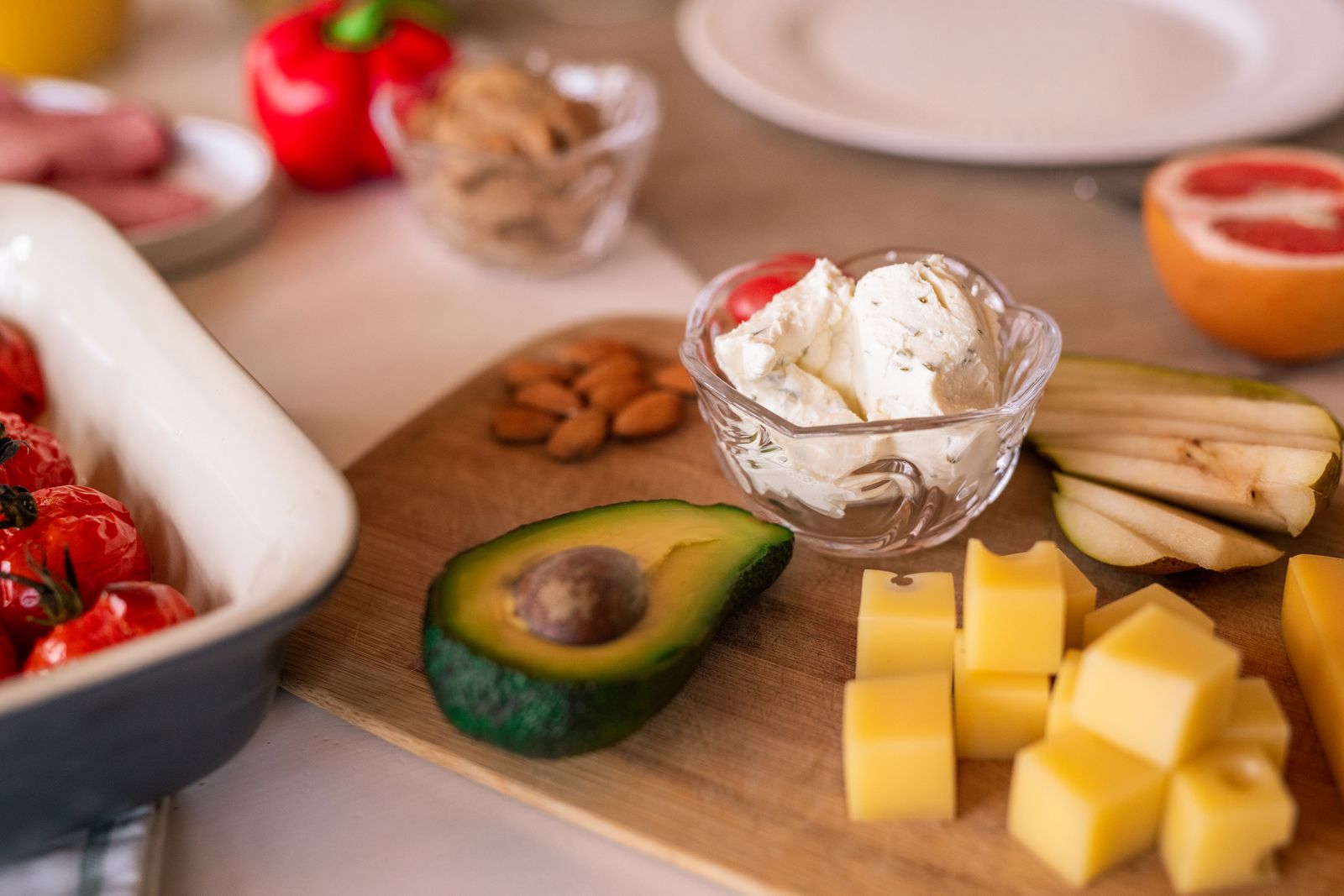
Cheese, milk, and plain yogurt are some of the most reliable foods for healthy teeth and gums because they supply calcium and phosphate, the two minerals that make up the structure of enamel. When you eat something acidic, your enamel loses small amounts of these minerals; dairy helps replace them. Cheese has an added benefit — the act of chewing it stimulates saliva flow, and saliva is the mouth's own rinse cycle, washing away food particles and buffering the acids that plaque bacteria produce. A slice of cheese at the end of a meal does more for your teeth than most people realize.
Crunchy fruits and vegetables
Apples, carrots, and celery are often called nature's toothbrush, and there is real logic behind that description. Their fibrous, crunchy texture requires more chewing, which increases saliva production the same way dairy does, and the physical act of biting into them creates a mild scrubbing action against the tooth surface. They will not replace brushing, but the fiber and water content in crunchy produce genuinely helps dislodge food debris between meals, which is part of why dental organizations consistently list them among the best foods for healthy teeth.
Leafy greens, nuts, and lean protein
Spinach, kale, almonds, chicken, and eggs round out a tooth-friendly plate. Leafy greens are rich in calcium and folic acid, almonds add both calcium and protein without the sugar found in many other snack foods, and lean proteins like chicken and eggs supply phosphorus, which works alongside calcium to protect and rebuild enamel. Protein also plays a quieter but important role in gum health, since the soft tissue in your mouth relies on it for everyday repair, the same way skin and muscle do.
Water and unsweetened tea
If you take away one habit from this list, make it drinking fluoridated tap water throughout the day. It rinses the mouth, keeps saliva flowing, and delivers fluoride directly to the tooth surface, which is one of the simplest and most consistent things you can do between meals. Unsweetened tea, particularly green and black varieties, contains polyphenols that may help suppress the bacteria most associated with plaque and cavities. Neither is glamorous, but both are foods healthy for teeth that require zero effort to work into a normal day.
Foods and Drinks to Limit
The flip side of this list is short and predictable: sticky candy, sugary sodas, and starchy snacks that cling to teeth, like chips or crackers, give plaque bacteria a steady supply of fuel and are harder for saliva to rinse away. The CDC recommends keeping added sugars to a modest share of total daily calories, and cutting back on these categories is one of the most direct ways to hit that target. This is not about eliminating treats altogether — it is about recognizing which foods sit on your teeth the longest after you are done eating.
When You Eat Matters as Much as What You Eat
Here is the part most lists skip entirely: timing changes how much damage a food can do. Every time you eat something sugary or starchy, your mouth experiences what is sometimes called an acid attack, a window of lowered pH that lasts roughly twenty to thirty minutes while saliva works to neutralize it. If you eat five separate sugary snacks spread across the day, you create five separate acid attacks. Eat that same amount of sugar as dessert at the end of a meal, and you get one, because saliva flow is already elevated from eating and mealtime chewing helps clear food faster.
That is a genuinely useful, practical takeaway: save sweets for right after a meal rather than as a standalone snack between meals, and follow dessert with something tooth-friendly, like a piece of cheese or a few raw vegetables, rather than simply avoiding sweets altogether. The food you eat afterward matters more than the willpower it takes to skip the sweet in the first place.
Pair a Tooth-Friendly Diet with Regular Preventive Care
Diet is a real, measurable lever, but it works alongside professional care rather than replacing it. Even with excellent foods for teeth health as part of your routine, plaque still hardens into tartar in places a toothbrush cannot reach, and that only comes off with a professional cleaning.
Shallowford Dental Studio offers preventive dental care and dental cleanings for patients in Roswell, giving you a place to pair the habits above with routine exams that catch small issues before they become bigger ones. If it has been a while since your last visit, now is a good time to schedule one and talk through your specific diet and oral health with a professional who can tailor advice to what is actually going on in your mouth.