Invisalign has become a popular choice for people looking to straighten their smiles without the hassle of traditional metal braces. But can it really tackle more complex dental issues like overbites, underbites, and crowded teeth? If you’re considering this treatment and wondering about its effectiveness, you’re in the right place. Let’s dive into how Invisalign works and whether it’s the right solution for these common dental concerns.
What Is Invisalign and How Does It Work?
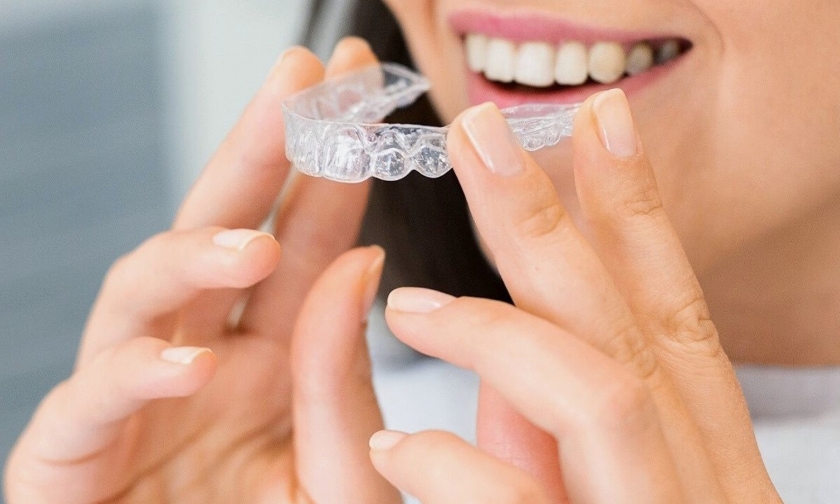
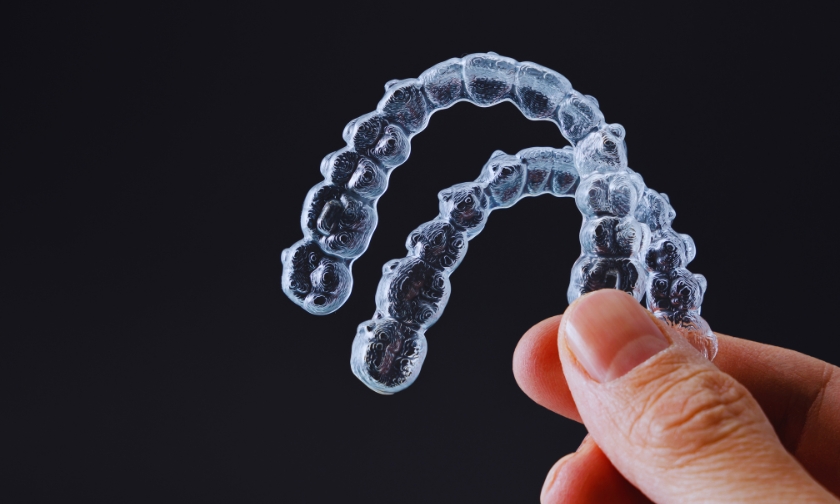
Invisalign is a modern orthodontic treatment that uses clear, removable aligners to gradually shift your teeth into the desired position. Unlike traditional braces with wires and brackets, these aligners are custom-made from a smooth, transparent plastic that’s nearly invisible when worn. Every couple of weeks, you switch to a new set of aligners, each one slightly adjusted to keep your teeth moving toward their final alignment.
The process starts with a consultation where a dentist or orthodontist scans your teeth to create a 3D digital model. From there, they map out a personalized treatment plan. It’s a high-tech, tailored approach that’s appealing to adults and teens alike who want a discreet way to improve their smile.
Can Invisalign Fix an Overbite?
An overbite happens when your upper front teeth overlap too much with your lower front teeth. It’s one of the most common bite issues, and yes, Invisalign can often correct it—depending on the severity. Mild to moderate overbites respond well to the aligners, which apply precise pressure to reposition the teeth and, in some cases, even adjust the jaw alignment slightly.
For more severe overbites, Invisalign might still work, but it could require additional tools like rubber bands or attachments (small tooth-colored bumps bonded to your teeth) to enhance the aligners’ grip. A skilled provider, such as those offering Invisalign Roswell, can assess whether your overbite falls within the treatment’s capabilities or if traditional braces might be a better fit.
How Long Does It Take for Overbites?
Treatment time varies, but for mild to moderate overbites, you’re typically looking at 12 to 18 months. Severe cases might stretch closer to two years, especially if jaw alignment is a factor. Patience is key, but the payoff is a healthier bite and a confident smile.
Does Invisalign Work for Underbites?
An underbite occurs when the lower teeth sit ahead of the upper teeth—a trickier problem because it often involves jaw positioning. Invisalign can handle mild to moderate underbites effectively by shifting the teeth into better alignment. However, if the underbite stems from a significant jaw discrepancy, the aligners alone might not cut it.
In those cases, some patients pair Invisalign with other treatments, like elastics or even surgery for extreme situations. The good news? Advances in Invisalign technology, like precision cuts and attachments, have made it more versatile for underbites than ever before. A consultation with a professional familiar with Invisalign could give you a clear picture of what’s possible for your specific case.
Treatment Duration for Underbites
For mild underbites, expect a timeline similar to overbites—around 12 to 18 months. More complex cases could take longer, especially if additional orthodontic tweaks are needed.
Tackling Crowded Teeth with Invisalign
Crowded teeth—when there’s not enough space in your mouth for all your teeth to sit comfortably—are another issue Invisalign excels at fixing. The aligners gradually create space and guide teeth into a straighter, more organized lineup. This not only improves aesthetics but also makes oral hygiene easier, reducing the risk of cavities and gum issues.
For mild to moderate crowding, Invisalign is often a slam dunk. Severe crowding might require extra steps, like tooth extraction or interproximal reduction (a fancy term for slightly shaving between teeth to free up space). Your provider will customize the plan to ensure the best outcome.
How Long for Crowded Teeth?
Mild crowding might resolve in as little as 6 to 12 months, while moderate cases typically take 12 to 18 months. Severe crowding could push the timeline closer to two years, depending on the complexity.
What Makes Invisalign Effective for These Issues?
Invisalign’s success hinges on a few key factors:
- Customization: Each aligner is designed specifically for your teeth, ensuring targeted movement.
- Consistency: Wearing the aligners 20-22 hours a day is crucial for results.
- Technology: Features like SmartForce attachments and ClinCheck software optimize the treatment for complex cases.
- Professional Oversight: Regular check-ins with your dentist or orthodontist keep everything on track.
That said, Invisalign isn’t a one-size-fits-all solution. Severe bite issues or extreme crowding might still call for traditional braces or a combination approach. The best way to know? A thorough evaluation from a qualified provider.
Is Invisalign Right for You?
So, can Invisalign effectively treat overbites, underbites, and crowded teeth? In many cases, absolutely. It’s a versatile, discreet option that’s transformed smiles for millions. But its success depends on the severity of your issue, your commitment to wearing the aligners, and the expertise of your provider. If you’re curious about what it can do for you, schedule a consultation to get a personalized answer. Your dream smile might be closer than you think!